20,000 flights canceled in winter storm, but the worst may be behind us

Editor's Note
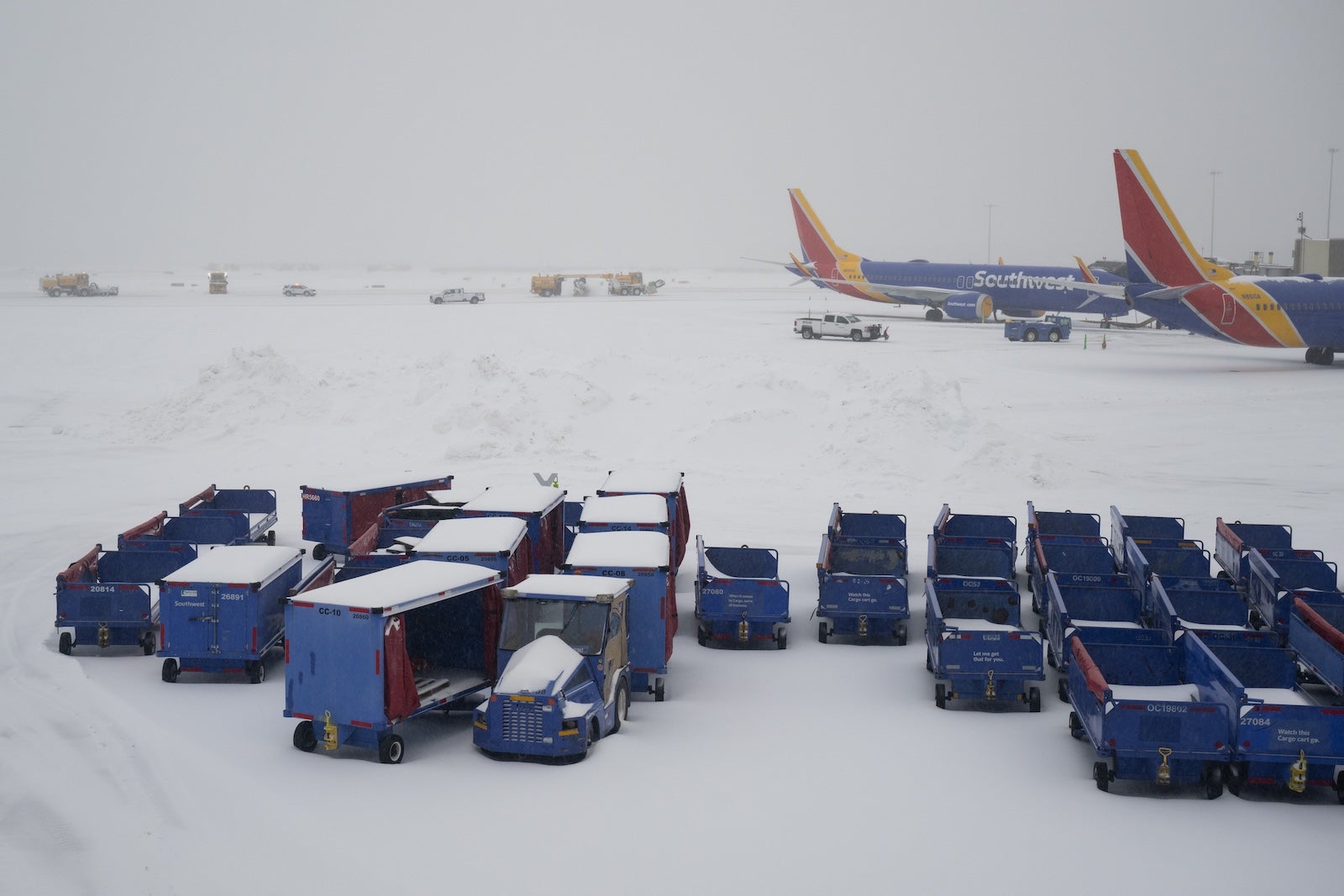
As millions of Americans dig out from a weekend of heavy snow and ice, airlines are racing to get operations back on track after the worst stretch of flight cancellations in a half-decade.
By noon EST Monday, airlines had canceled more than 4,300 flights nationwide, according to data from FlightAware.
That's certainly a rough day at airports. But it was a significant improvement from the 11,000-plus cancellations Sunday, which represented the worst day for shuttered flights since the early days of the COVID-19 pandemic.
Help: Here's what to do if your flight is canceled or delayed
Behind all of these disruptions, of course, was the whopper of a winter storm that brought dangerous icy conditions to a large swath of the southern U.S. — and heavy snow as the system tracked northbound.
All told, the storm — dubbed "Fern" by The Weather Channel — has led to some 20,000 scuttled departures since Saturday, per FlightAware.
Fortunately, there's promising news on the horizon: With the wintry conditions moving out, the travel forecast looked to be improving rapidly for Tuesday, with just 59 preemptive cancellations announced by midday.
Still digging out
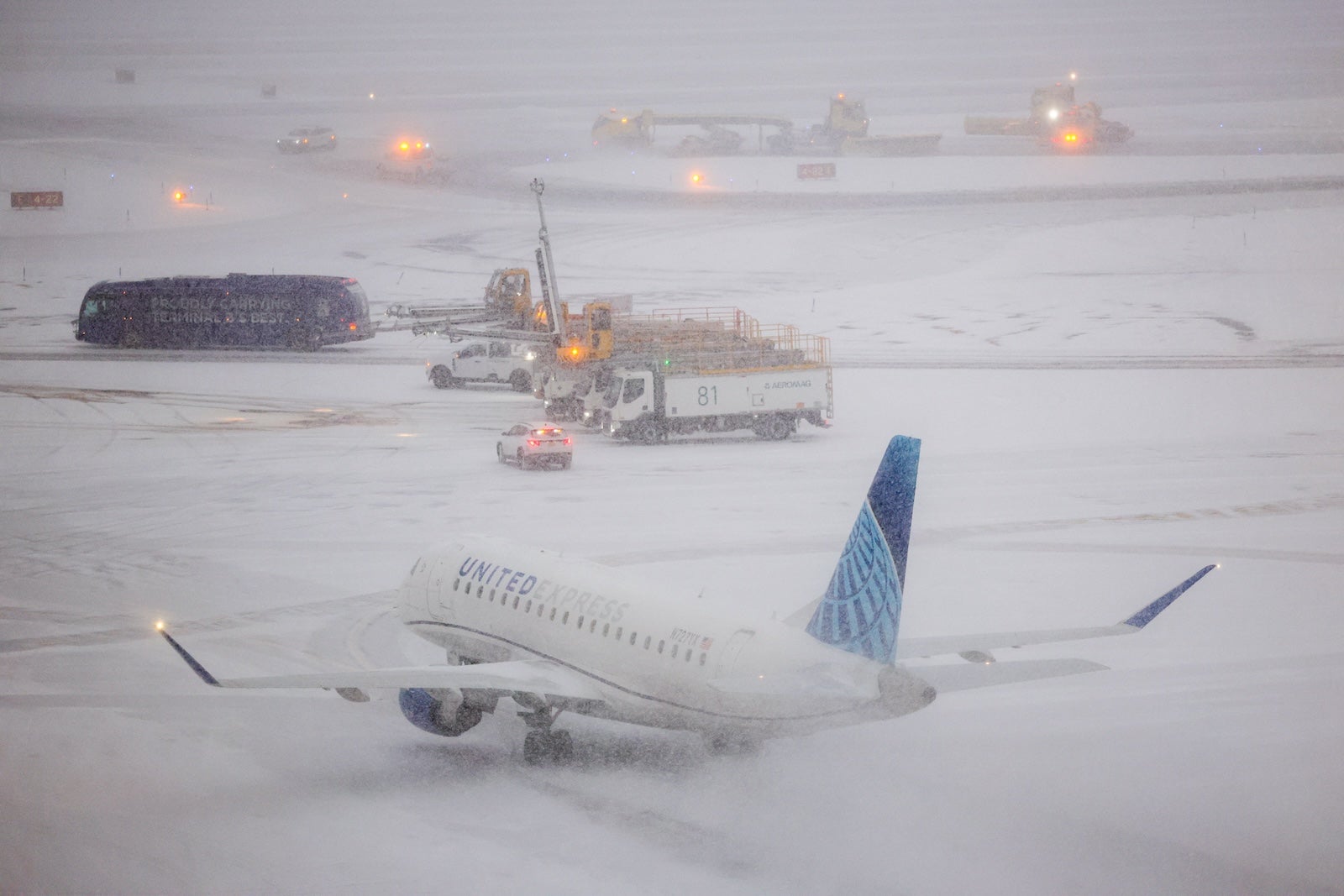
Monday was still a slog at some of the busiest East Coast hubs.
As the Northeast dealt with the tail-end of the winter storm, around 60% of all departures had been canceled by lunchtime at Boston Logan International Airport (BOS), FlightAware showed.

The airport, New England's busiest, warned travelers that few airlines were operating.
Disruptions remained rampant in the New York City area, too. Close to half of all scheduled departures had already been canceled for Monday at John F. Kennedy International Airport (JFK) and LaGuardia Airport (LGA), and over 40% of flights had been scrapped at nearby Newark Liberty International Airport (EWR).
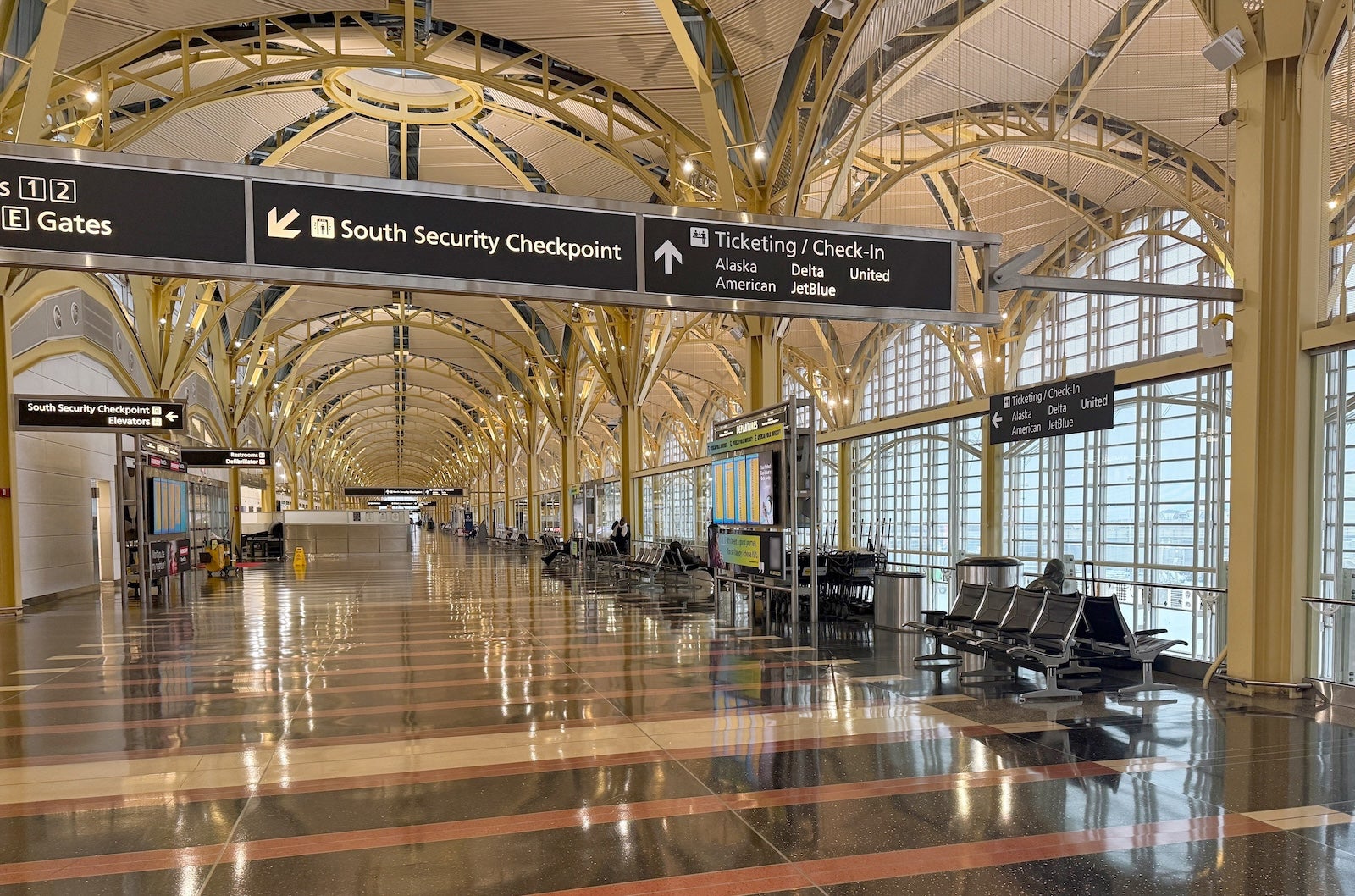
To the south, Ronald Reagan Washington National Airport (DCA) continued to see cancellations pile up (nearly 200 and counting by noon). But that was a major improvement from Sunday, when nearly every departure was scrapped amid the brunt of the storm — leaving the airport's iconic National Hall in Terminal 2 eerily quiet for the day.
In an interview Monday morning on CNBC, U.S. Department of Transportation Secretary Sean Duffy said the Federal Aviation Administration expected air travel would mostly be back to normal by Wednesday.
Airline travel waivers in effect
Ahead of the storm, airlines issued flexible travel waivers to allow passengers to cancel, change or rebook their trips.
The waivers covered dozens of U.S. cities, with flexibility generally applying to trips booked through either Monday or Tuesday — depending on the airline and itinerary.
In most cases, flyers booked for the next couple of days can rework their itinerary even if they're flying on a ticket that usually bars changes — like basic economy.
Here's a full rundown of airlines' advisories:
- American Airlines
- Delta Air Lines
- United Airlines
- Southwest Airlines
- Alaska Airlines and Hawaiian Airlines
- JetBlue
- Allegiant Air
- Frontier Airlines
- Spirit Airlines
Airlines move planes, staff into position
Meanwhile, airlines were scrambling to untangle operations hit hard throughout the weekend.
Southwest Airlines on Monday told TPG it hoped to operate a mostly normal schedule Tuesday, as the hazardous conditions began to subside.
Going into the weekend, Delta Air Lines had planned to keep planes out of icy conditions, when possible, so they'd be in position to resume flying quickly once conditions allow.
Delta's Hartsfield-Jackson Atlanta International Airport (ATL) megahub, the world's busiest airport, was among those hit hard over the weekend, with more than 750 cancellations Saturday and Sunday, FlightAware showed — though cancellations improved significantly Monday.
What to know if you have travel booked
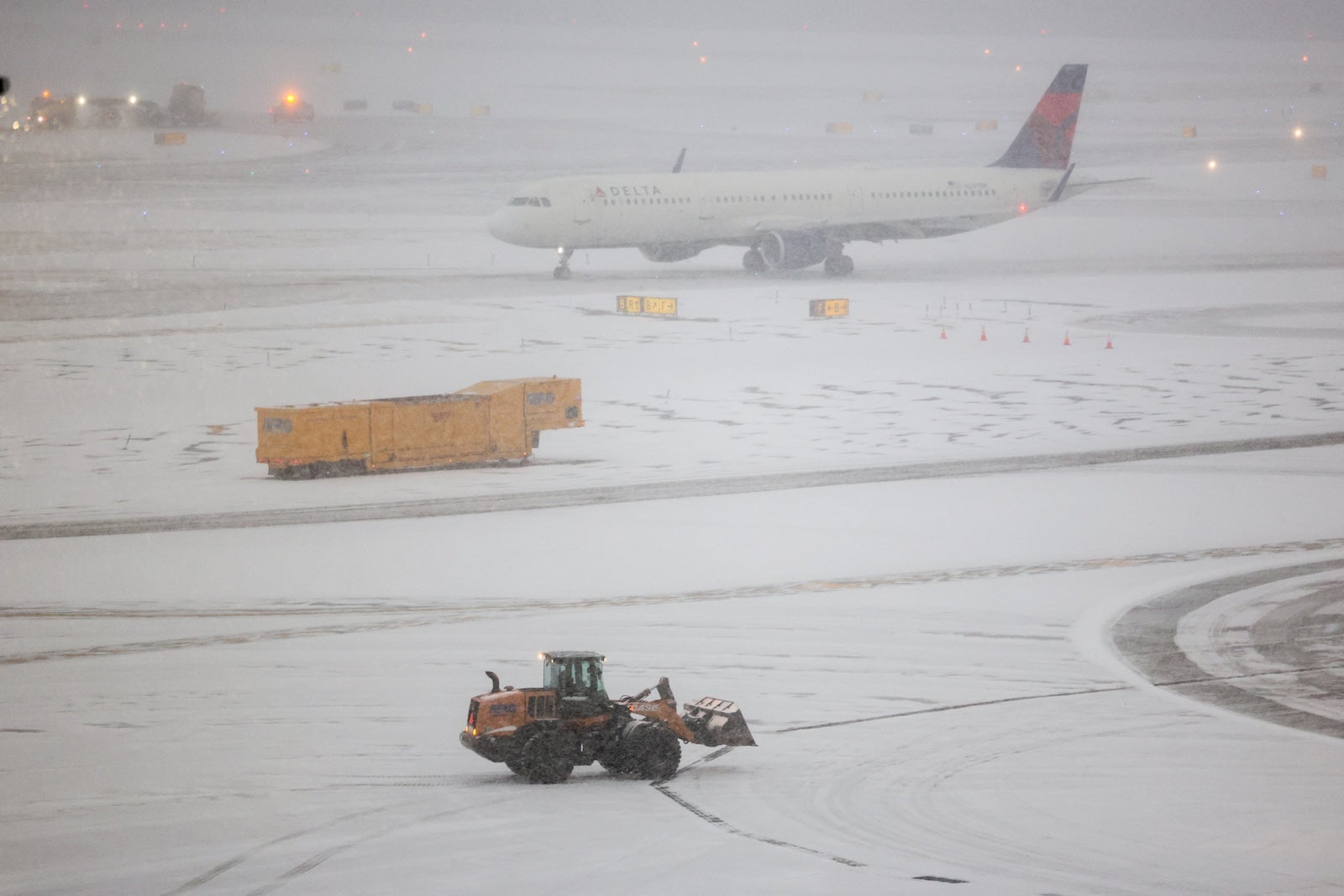
If you're planning to fly Monday, there's still a good chance you'll run into trouble — if your flight hasn't already been canceled.
Here are some things you can do to prepare.
Consider flying Tuesday
While we'll still likely see some lingering travel disruptions Tuesday, it looks like it'll be a much better day at airports, overall.
If you're able to hold off on traveling until then, you're far more likely to have a smooth travel experience.
Keep an eye on those travel waivers (listed above) that airlines have issued. Those may allow you to easily make changes to your itinerary — whether that's canceling a trip or rebooking it for a later date.
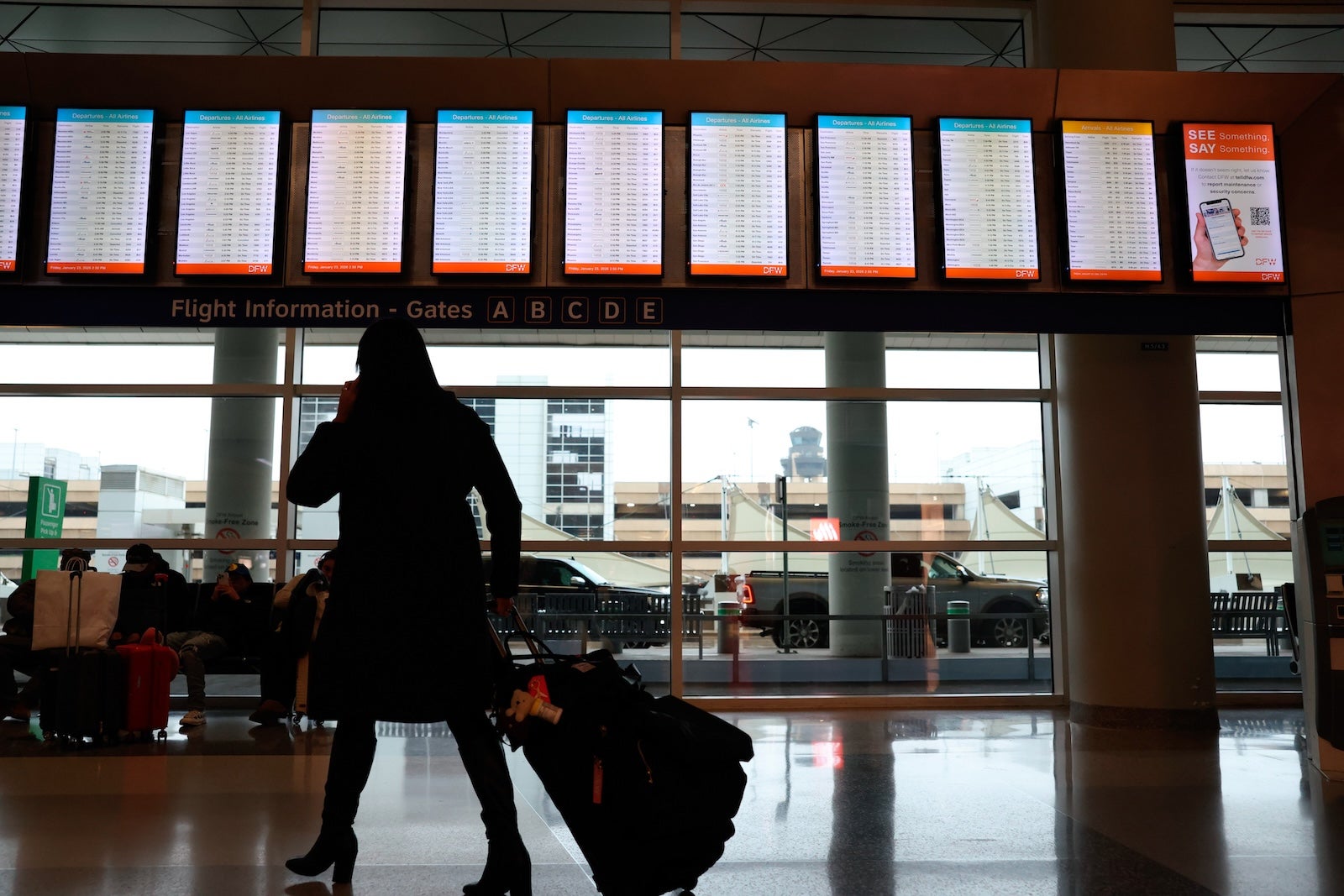
Follow local authorities' guidance before going to the airport
Even if your flight is set to depart as planned, be sure to double-check that it's safe to actually get to the airport.
Follow the guidance of local authorities and monitor road conditions before attempting to make the trek to the terminal.
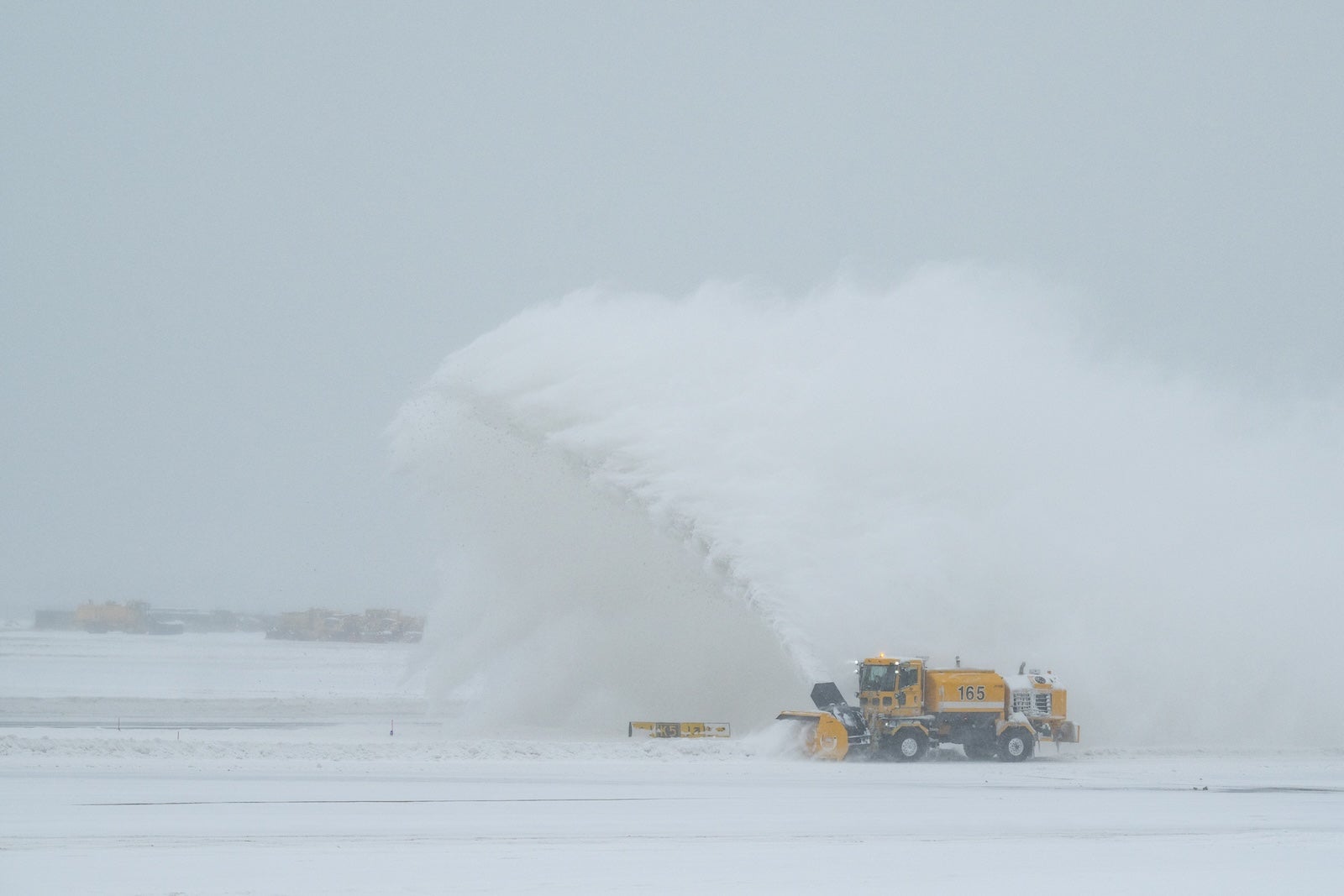
Stay glued to your airline's app
Still holding out hope that you'll be able to fly?
Keep a close eye on your airline's mobile app. With most carriers, you can track your incoming aircraft and rebook yourself with a few clicks — which is much easier than standing in a long line at customer service, or waiting on hold by phone.
Several airlines have also beefed up their customer support chat in recent years, which is another avenue for getting assistance.
Remember: Refund rules still apply
If your flight is canceled or significantly delayed and you choose not to travel, you're entitled to a refund for the unused portion of your ticket.
That's U.S. Department of Transportation policy.
It doesn't matter if the cancellation or delay was because of weather. If it happened — and if you decided to stay home and not fly — you get a refund.
On the flip side: If you agree to take a later flight (even if it's a lot later), you generally would not be owed a refund.
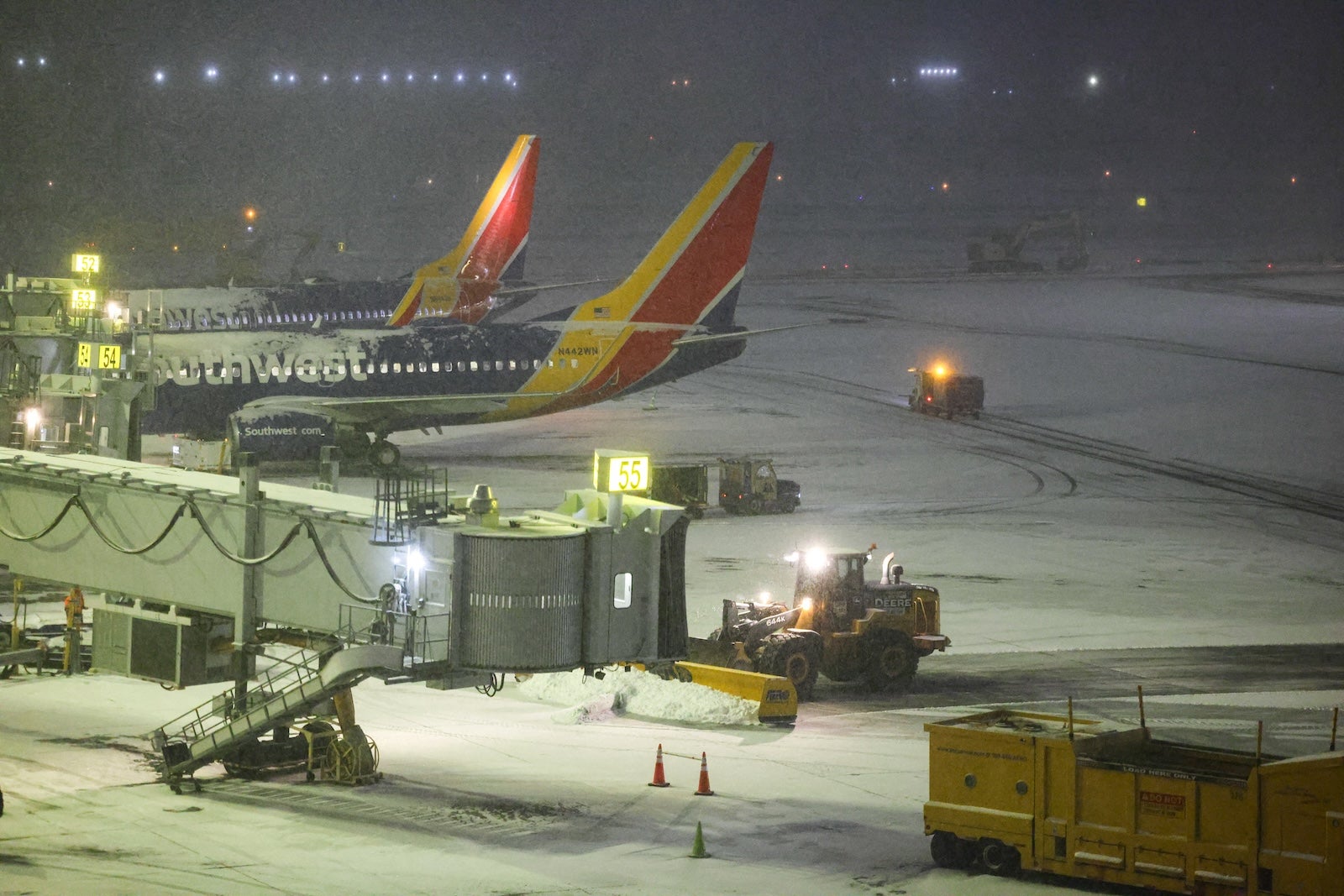
How you can get reimbursed if you get stranded
If you do get stuck, keep your receipts.
Some travel credit cards have built-in trip insurance protections, and may help you get reimbursed for hotel, meal and other costs if you get stuck somewhere.
The most common caveat: You often can only get paid if you booked your trip with that card.
Just keep in mind, exact terms and protections differ from one card and policy to another, so review your card's explanation of benefits to see if you might be able to make a claim.
TPG's favorites: 10 best credit cards with travel insurance
What about meal and hotel vouchers?
Airlines have promised certain things — like hotel nights, meals and ground transportation — for when travelers get stuck because of flight trouble. But in most cases, those guarantees are for flight woes that are the airline's fault (like maintenance).
Weather typically doesn't fall under that category, so ... you can certainly ask ... but I wouldn't be optimistic about getting these expenses covered by your airline.
Related reading:
- When is the best time to book flights for the cheapest airfare?
- The best airline credit cards
- What exactly are airline miles, anyway?
- 6 real-life strategies you can use when your flight is canceled or delayed
- Maximize your airfare: The best credit cards for booking flights
- The best credit cards to reach elite status
- What are points and miles worth? TPG's monthly valuations