Europe’s new digital border system leading to long lines, delays and missed flights

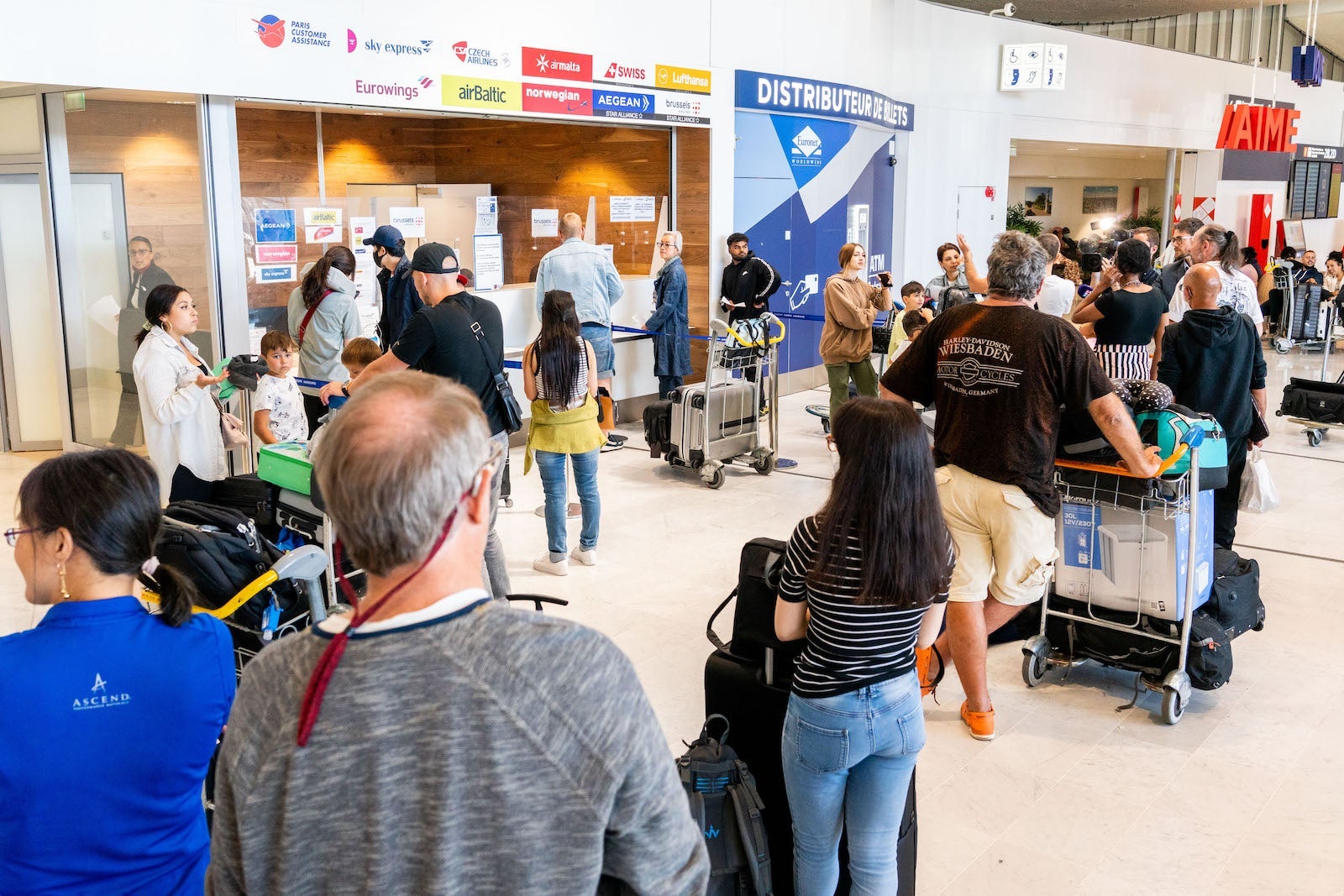
The launch of the European Union's new digital border control protocol has been anything but smooth. In fact, travelers at a number of European airports would say that the April 10 debut of the Entry/Exit System has been an utter disaster — and not just because travelers no longer receive an old-fashioned passport stamp.
When the new system debuted April 10, TPG warned about potential airport delays for travelers. Since the rollout, some airports have reported delays of up to three hours to clear the EES, which has led some travelers to miss their flights. One report indicated that a flight out of Milan left 122 scheduled passengers behind due to delays in the exit process.
Politico reported that lines extended outside the terminal at Rome Fiumicino Leonardo da Vinci Airport (FCO) at one point.
The airline advocacy group Airlines for Europe said that the EES has unleashed chaos at airports, calling it "a systemic failure." While supportive of the overall objective to fortify border security in the EU, the group is calling for the EES to be shelved until the fall to avoid a major disruption to the all-important summer travel season.
"The only feasible solution is for the European Commission to allow for the full and partial suspension of EES until the end of summer, where necessary," Airlines for Europe said in a statement.
Related: Everything you need to know about the EU's ETIAS 'visa' requirements coming in late 2026
As a reminder, the Entry/Exit System is a biometric registration process for U.S. citizens and non-EU travelers visiting the 29 Schengen Area countries. The EES digitally records entries and exits for visitors staying up to 90 days within a 180-day period, according to the U.S. State Department.
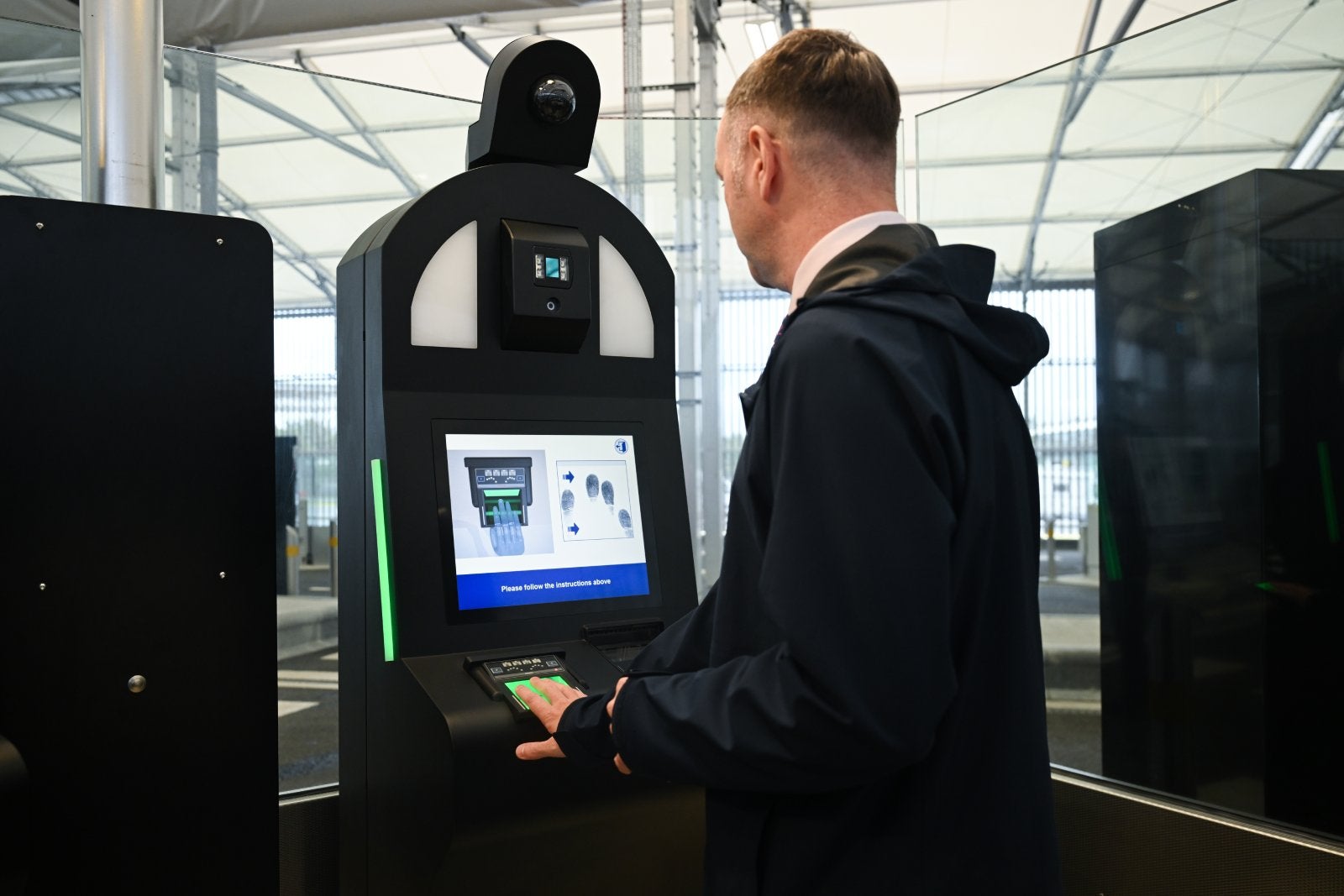
Travelers no longer hand a passport to a border official, answer a few questions and get their passport stamped. Instead, they must now use self-service kiosks or border checks to provide biometric data, including fingerprints, a facial image and passport details, for first-time users. The information is stored digitally, so once you go through the process, your image and fingerprints will only need to be verified by officers upon your departure and any reentries. Officials say the new system will make the immigration process much more efficient and cut down on wait times, but so far, it's been the opposite.

Several TPG employees have recently crossed borders in Europe without issue, so it's not a universal problem. In fact, a spokesperson for the European Union told The Guardian that "in the overwhelming majority of member states there are no issues."
But problems have been widely reported. The CEO of Ryanair, Europe's biggest airline, said that the new system was causing lines of up to four hours at some airports.
Why are the lines so long?
There are several reasons for the long lines in the first week of the EES launch, including technical issues. But some airports are also not adequately staffed to help operate the self-service kiosks, slowing down processing.
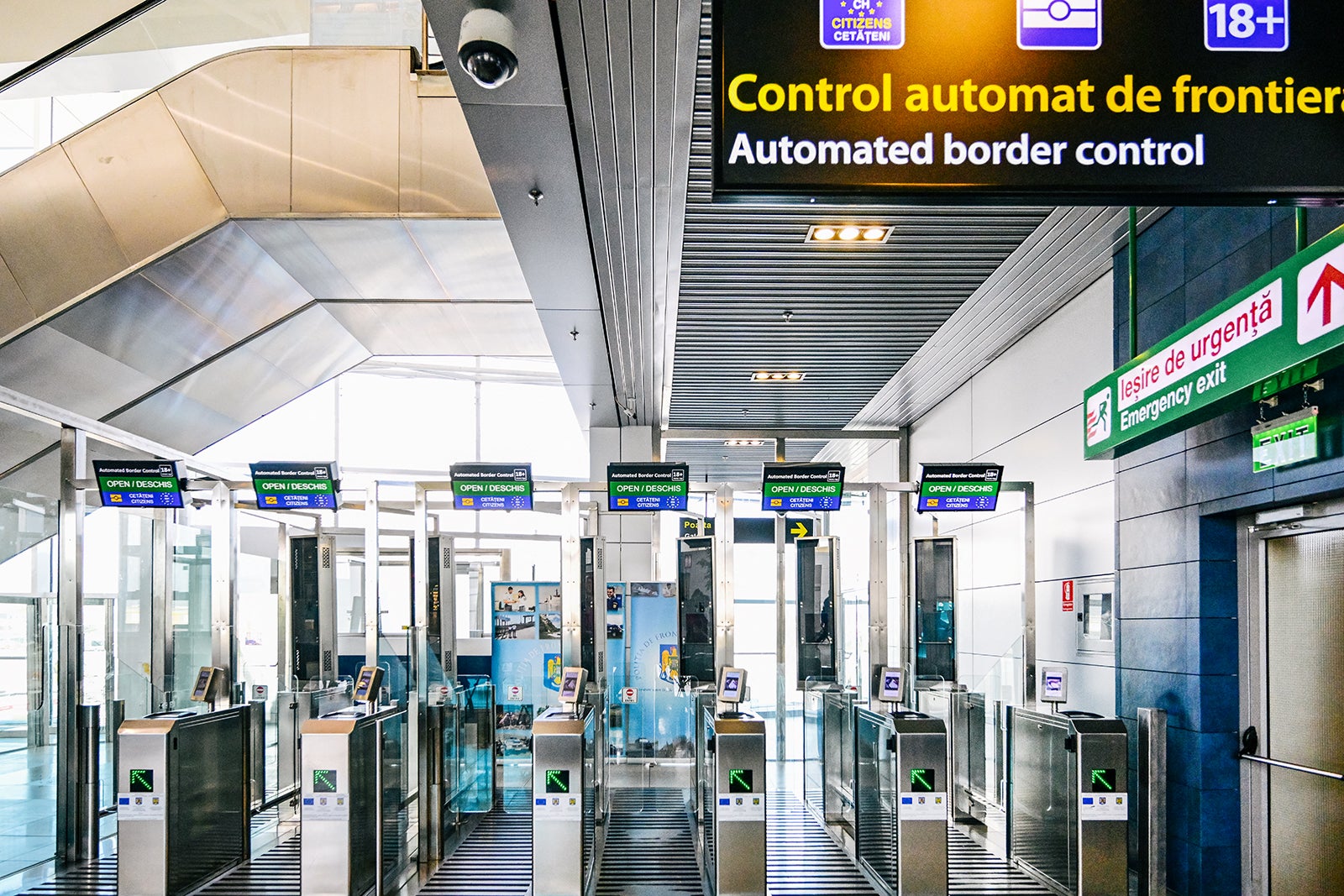
Another factor? Not all European airports have automated border gates that support the EES system. On top of that, the Travel to Europe mobile app, which allows passengers to submit biometric details up to 72 hours before they arrive at the airport, is not yet available in many countries.
All of this has combined to create a messy situation for travelers, involving confusion, frustrating delays and even missed flights.
Related: Travel to Europe using points and miles: How to redeem your rewards for flights
Bottom line
For the time being — certainly over the next few weeks — travelers should expect and plan for longer delays than normal while arriving at and departing from European airports, especially at busy hubs or smaller airports. Once travelers are enrolled in the EES and the system has their biometric profile on file, subsequent entries and exits should be smoother. But clearly, the kinks are not out of the system just yet. Be ready to wait.
For travelers heading to Europe this spring, the safest move is to build in extra time at the airport and expect slower processing at some Schengen Area borders until the system stabilizes.
In the meantime, Europe is also set to launch its new European Travel Information and Authorization System in late 2026. That system will include a prior authorization and an increased fee of 20 euros (about $23). Let's hope the rollout goes smoother than the one for the Entry/Exit System.
Related reading: