Longer stays, deeper experiences: Why I loved my latest cruise with Azamara

Editor's Note
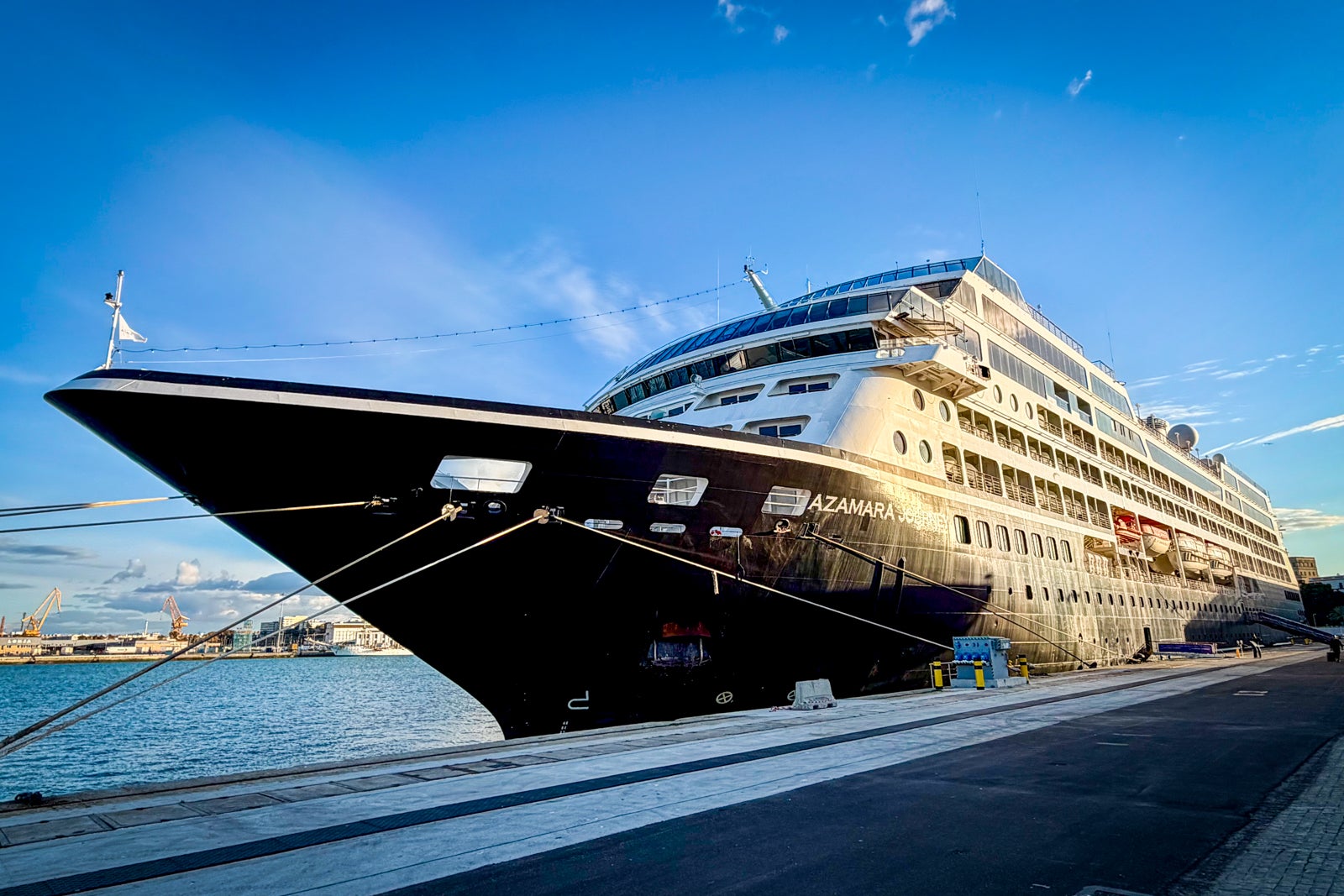
It wasn't until our second day in Seville, Spain, that I really started to get a sense of the place — and remembered why I've always loved sailing with Azamara Cruises.
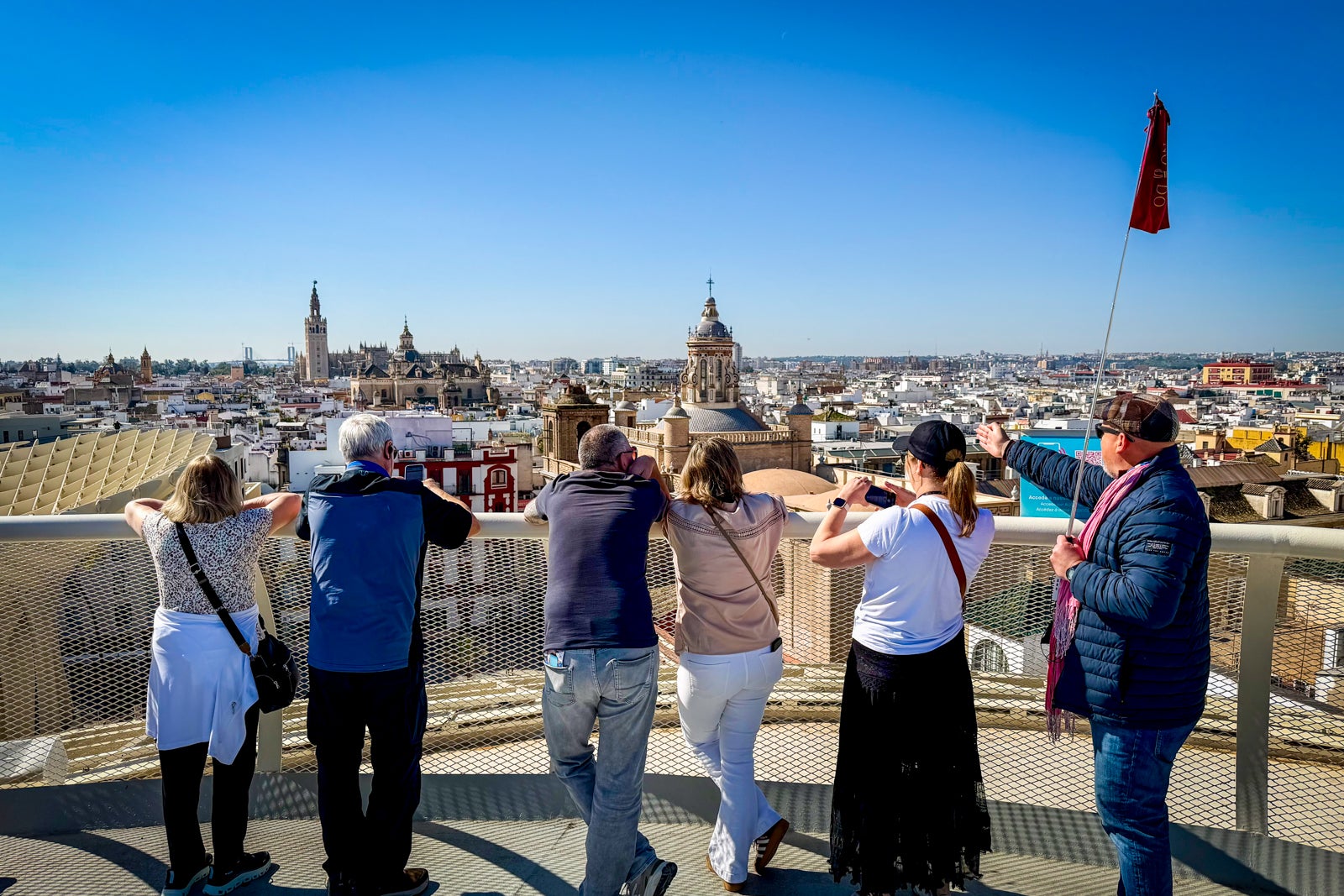
Our local guide, Juan, had taken us to the rooftop of Setas de Sevilla, a massive modern structure offering stunning views across the Spanish city, and was pointing out some of his favorite sites.
A few of them, such as the soaring Seville Cathedral, were familiar to me from touring on my own the day before. But others, such as the mazelike Jewish Quarter, were new to me — and over the next few hours, Juan would lead our small group of passengers from Azamara Journey on an extended walk to see many of them up close.
Filled with such off-the-beaten-path stops like a visit to a local food market and a rooftop bar for tapas, drinks and more views, it was the sort of in-depth exploring that you typically don't get when traveling by cruise ship. With cruise calls often lasting just hours, most ship-based tours only focus on the best-known attractions of any given destination.
But then again, Azamara, which operates just four small vessels that hold fewer than 700 people each, isn't your typical cruise company — at least, in the way it designs its itineraries.
As I saw during the port stop in Seville, which lasted two full days and nights, the Miami-based line is unusual in its focus on longer-than-normal stays in port (including multiday stays) and curated cultural experiences that allow for more meaningful connections to the destinations it visits.
Destination immersion, the line calls it. It has even trademarked the term.
It's something that has set the brand apart since its founding nearly 20 years ago.
Unusually long stays, even on short sailings
At the core of the Azamara experience, as I saw during my sailing, is an emphasis on giving passengers more time in ports.

On an Azamara sailing, you might visit the same number of places than you would on another line's ship. But you'll stay longer in each of the places you go and get a more in-depth experience.
This is true even on Azamara's shortest sailings, where the number of days available for stops is limited.
On the Spain-focused sailing that I was on, which at six nights in length was one of the shortest the brand offers, there were just three port calls over the span of the trip: Cadiz, Spain; the U.K. territory of Gibraltar; and Seville.
But each of these port calls was meaningful in both its length and the experiences offered.
The highlight, for sure, was the stop in Seville. We arrived on a Wednesday and didn't leave until the early hours of Friday — an extraordinarily long stay for a six-night sailing. It allowed passengers to take multiple tours and experience the city more than once at night, when it really lights up.

In my case, the long stop meant time for a full day touring the major sites in the historic center of the city on my own and a second day touring more off-the-beaten-path places with a guide, plus some late-day stops for tapas and drinks — something not to miss when visiting Spain.
It was such a long stay that, at times, I almost forgot I was there on a cruise.
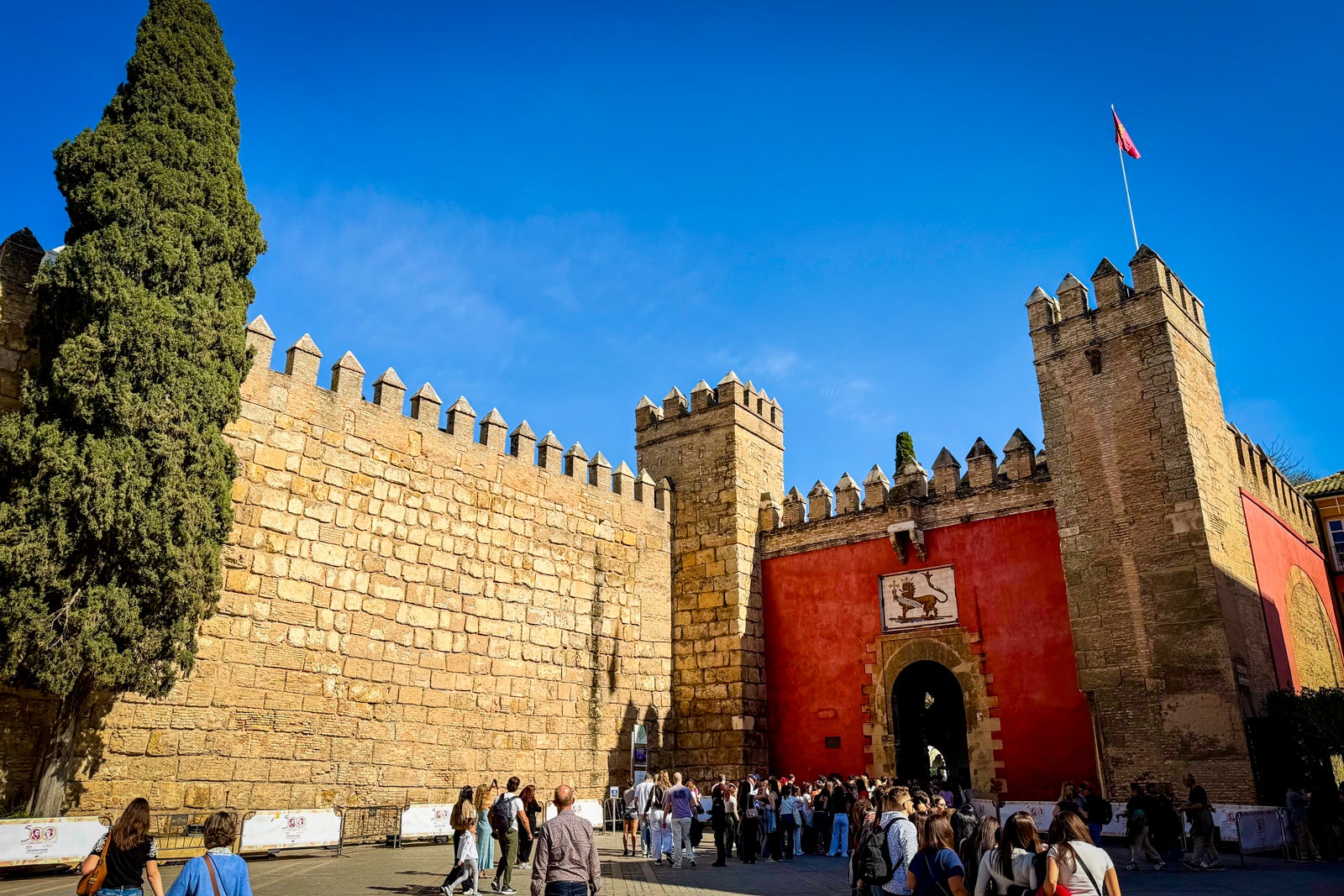
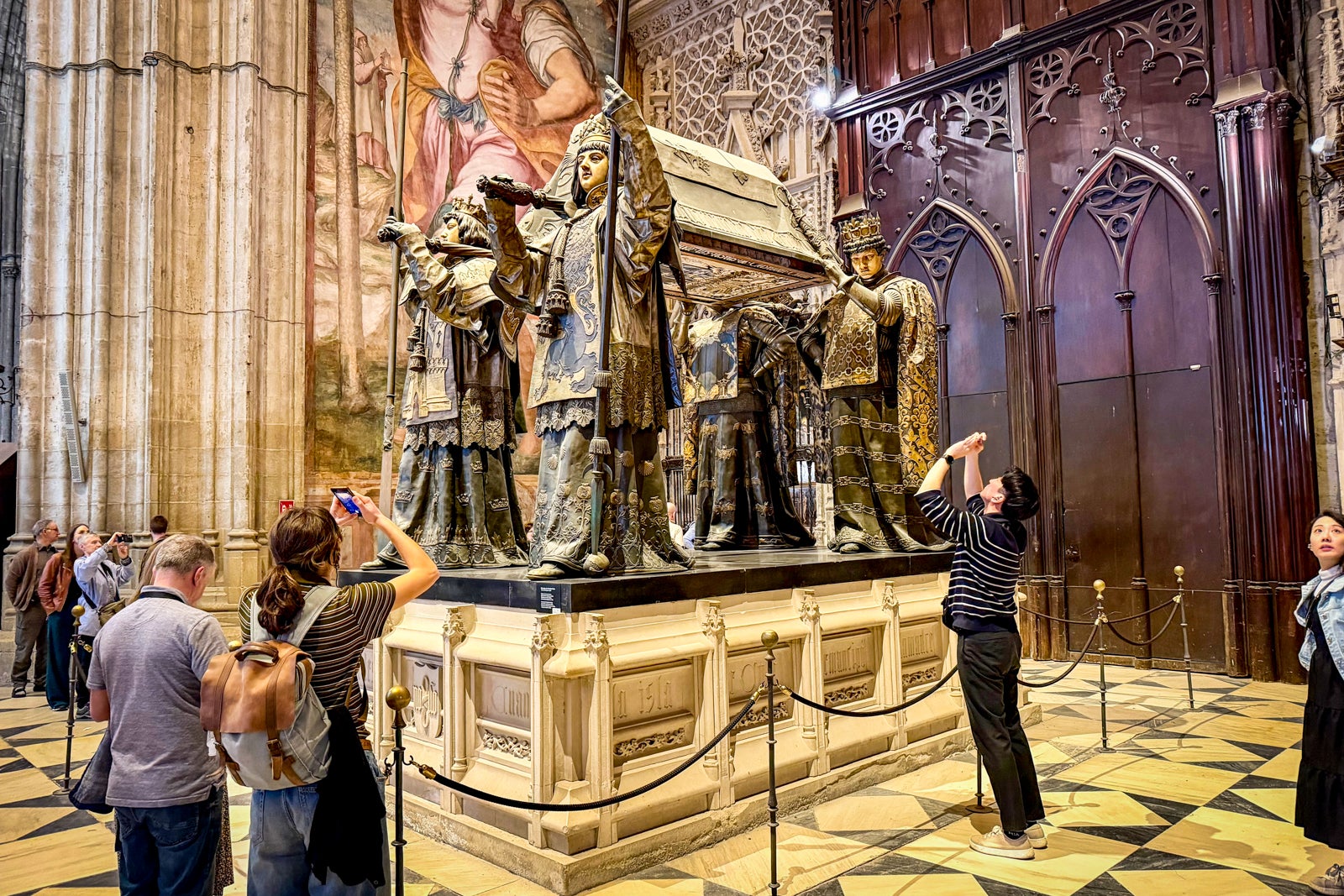
On our first day in the city, I wandered from site to site in the historic center for hours, stopping in the Seville Cathedral — the third-largest cathedral in the world — to admire its bronze and marble sarcophagus of Christopher Columbus and taking in the Moorish-style splendor of the centuries-old Royal Alcazar (if you've seen The Water Gardens of Dorne scenes in "Game of Thrones," you know what I'm talking about).
With no rush to get back to the ship, I also had time to visit the 12-sided Torre del Oro, which has stood sentry over the city's riverfront for 800 years, and join locals for a late afternoon stroll around the architectural masterpiece that is the Plaza de Espana, with its spectacular tiled bridges and alcoves representing Spanish provinces.
By the early evening, a time when most other cruise ships would be pulling out of a port like this, I had made my way to a tapas bar to nosh on chicharrones — a regionally popular snack consisting of roasted pork belly pieces — and sip a glass of the fresh, fruity local red wine.

Notably, I could have stayed out all night if I had wanted. The only reason why I didn't was my desire to catch the once-a-cruise, everybody-dress-in-white "White Night" deck-top feast and dance party that was happening back on board. Having experienced it before on earlier Azamara sailings, I knew I didn't want to miss it (more on that in a moment).
Stops in lesser-visited ports
The fact that we were able to dock in Seville, which is 50 miles inland from the Spanish coast, was unusual — and another example of how Azamara does destinations differently.
Located along Spain's Guadalquivir river, Seville can only be reached by the smallest of cruise vessels, which must sail up the river from the coast for hours and pass through a narrow lock to reach the city's Muelle de las Delicias docking area near the Torre del Oro.
Only a handful of cruise brands — such as Azamara, which operates very small ships — can do it, and most don't due to the time required and the navigational challenges.
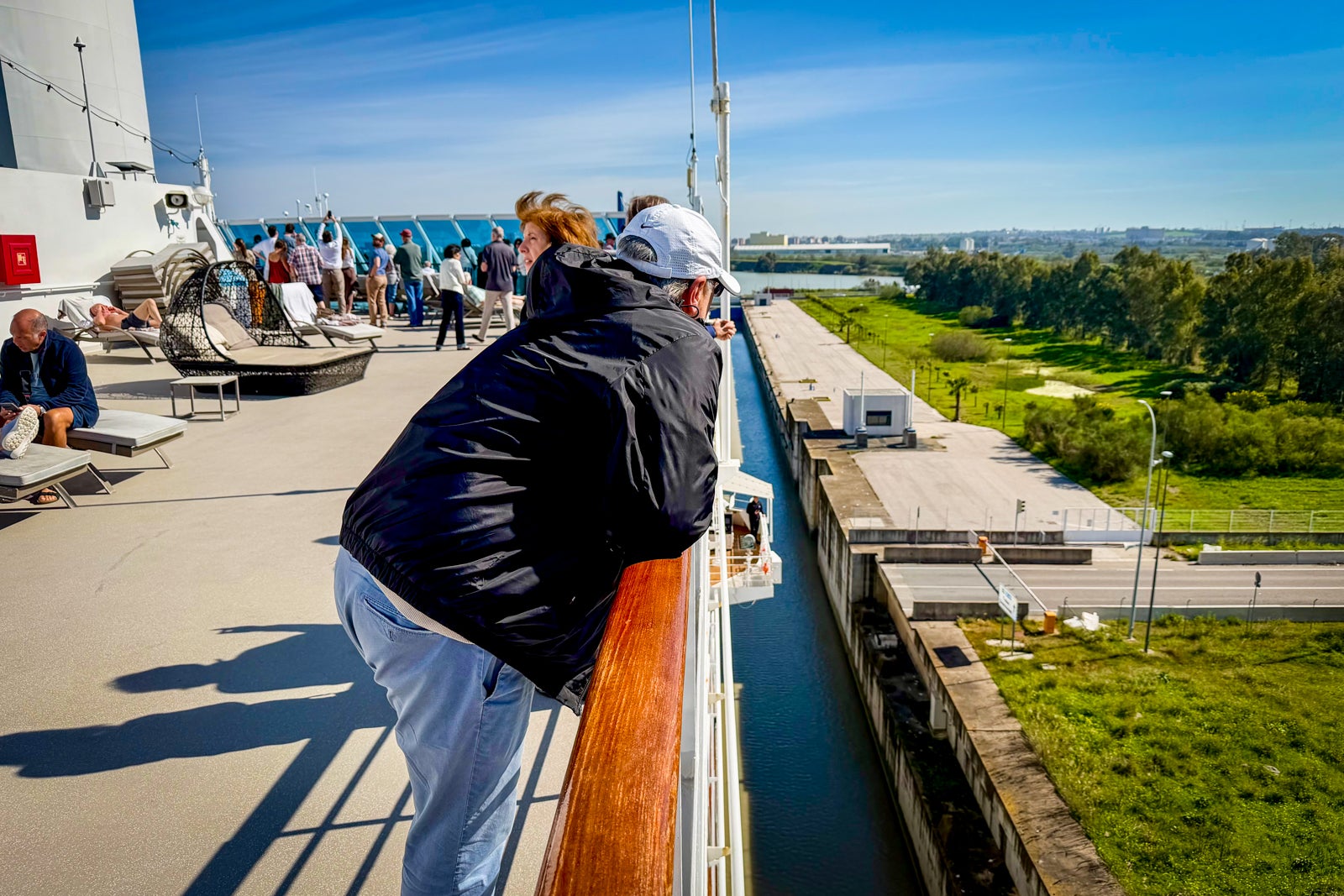
But for Azamara, getting passengers into lesser-visited but spectacular port towns that bigger ships can't reach, such as Seville, is a priority. The line is particularly known for building itineraries that include visits to hard-to-reach inland ports along rivers, such as Seville; Bordeaux, France; and Ho Chi Minh City, Vietnam, as well as lesser-visited islands in Greece and the Caribbean.
Most cruise lines that market Seville as a destination, notably, dock their ships 75 miles away in the oceanfront city of Cadiz, Spain, and bus passengers up to two hours for day tours — a far less appealing way to experience the city.
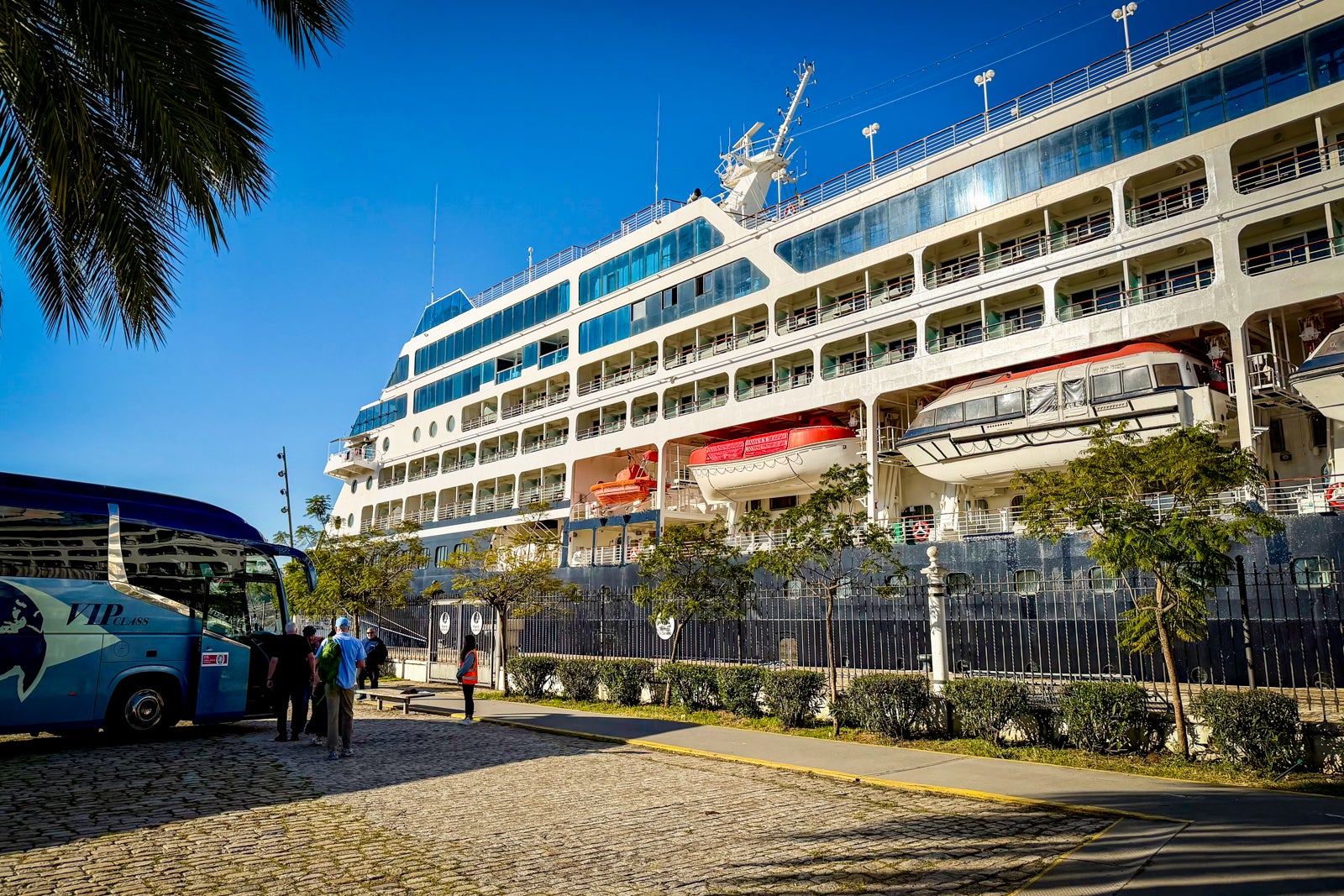
As I saw during my sailing, the small size of Azamara's ships means they can usually dock right in the heart of the cities they visit, often in the historical areas, rather than in far-off shipping ports. In all three places we visited on the trip, I was able to walk right off into the city center.
In Seville, the docking location, just a few hundred feet from the spectacular Plaza de Espana, could not have been more perfect. It was better than the locations for some of the hotels where land-based visitors stay.
Curated cultural experiences
As I experienced firsthand during my six-day sailing, a big part of the Azamara experience is the land programs that it offers in every port, which center around three things: culture, cuisine and history.
Most of the offerings, such as the "Experience an Andalusian Flamenco Show and Stroll in Cadiz" excursion that I signed up for during our port stop in Cadiz, come with an extra charge. Lasting about four hours, it was $159 per person. But these tours can be well worth it, as somebody else will handle the logistics for you.
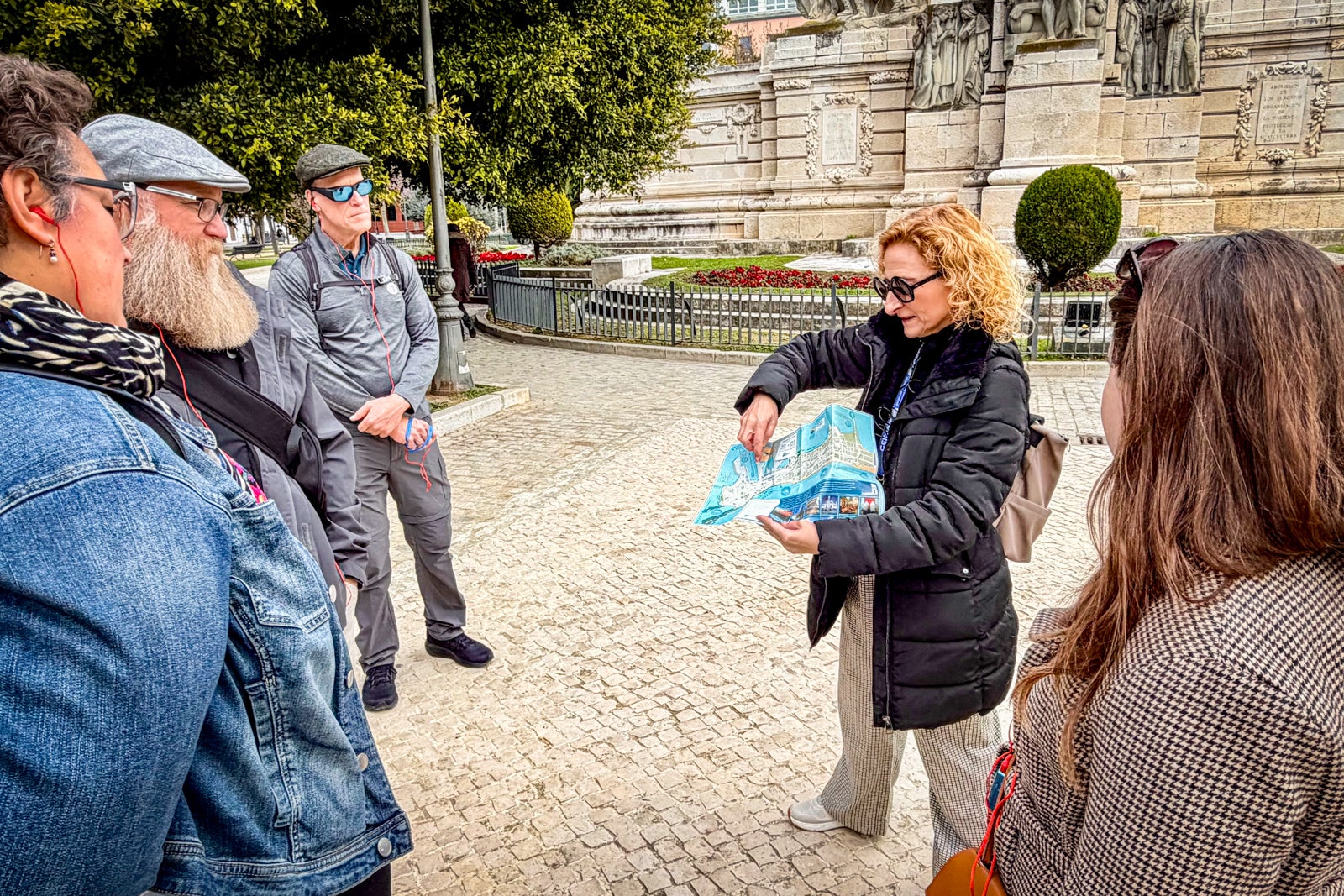

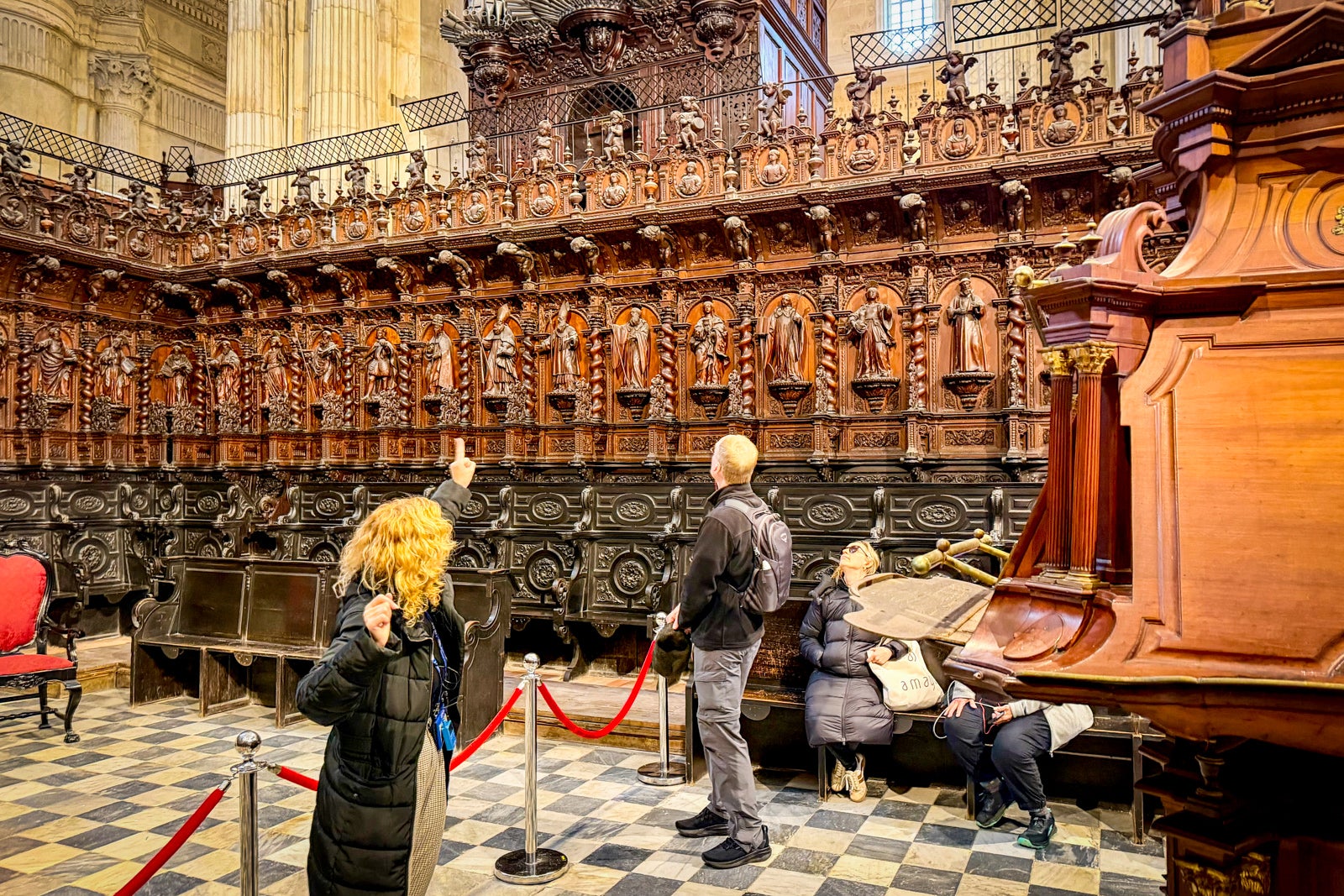
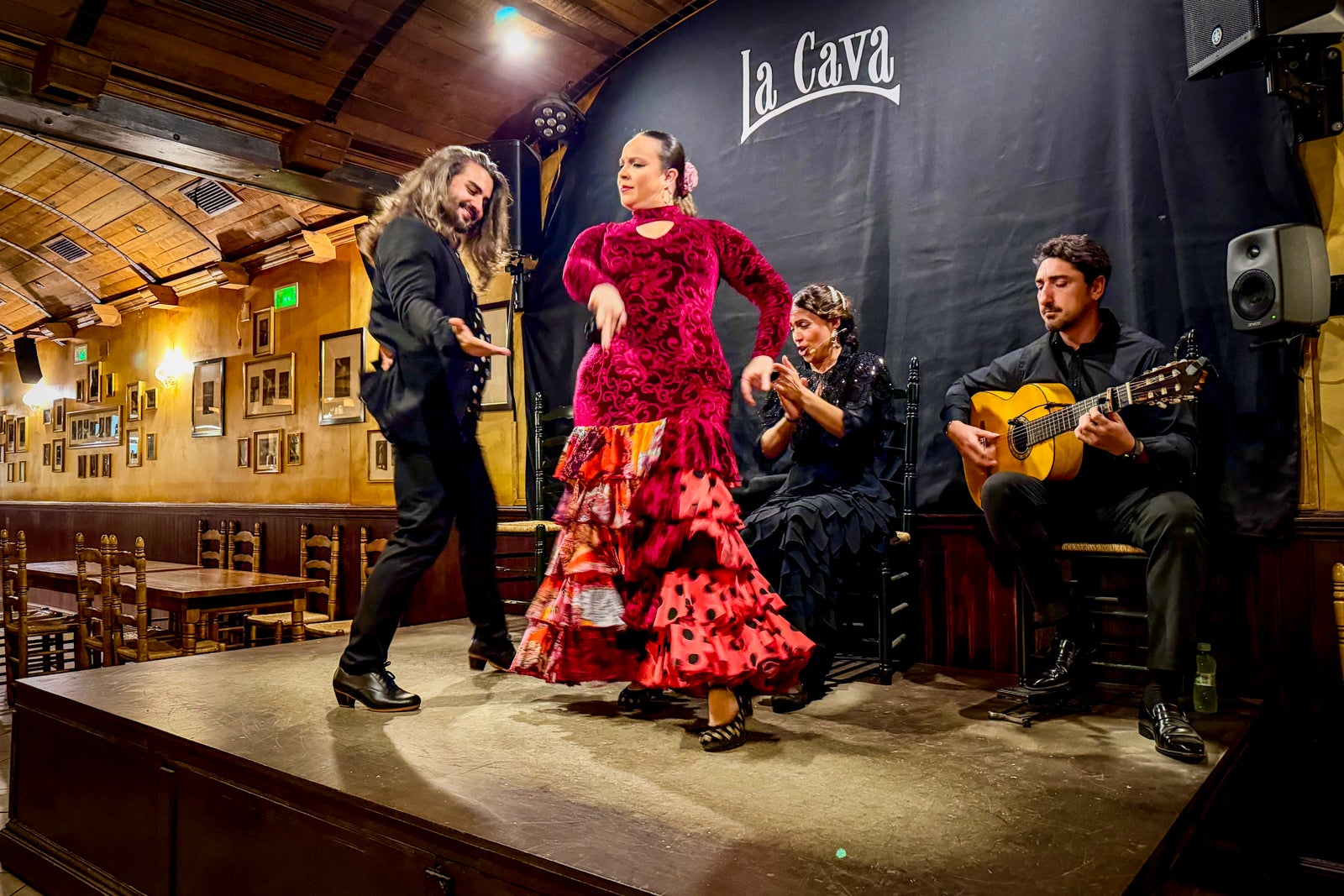
Even though I had visited Cadiz before, I loved having a local guide show me around the picturesque tangle of cobbled streets and plazas that is the old part of the city, Among the places we stopped were the impressive Cadiz Cathedral — a baroque and neoclassical masterpiece — and a well-known local flamenco venue (or "tablao") for a performance, tapas and drinks.
Amazingly, our small group of just 11 passengers (small group sizes for tours is an Azamara hallmark) had the entire venue to ourselves. The show, which featured two flamenco dancers, a singer and a guitarist, was quite good.
The next day, during a morning-to-night stop in Gibraltar, all the passengers on the ship were treated to a performance on a far grander scale at one of the fortress city's most famous sites, St. Michael's Cave — one that was included in the cruise fare.
Dubbed "Music Beneath the Rock: St. Michael's Cave," the elaborate event brought exclusive access to the stunning natural limestone cavern in the evening for a nearly hourlong candlelit concert by a locally based 18-piece musical ensemble, a small choir and singing soloists. With catchy music that ranged from James Bond movie hits and show tunes (think: "Memory" from "Cats") to campy sing-alongs, such as Tom Jones' "Delilah," it was a fun and memorable night.
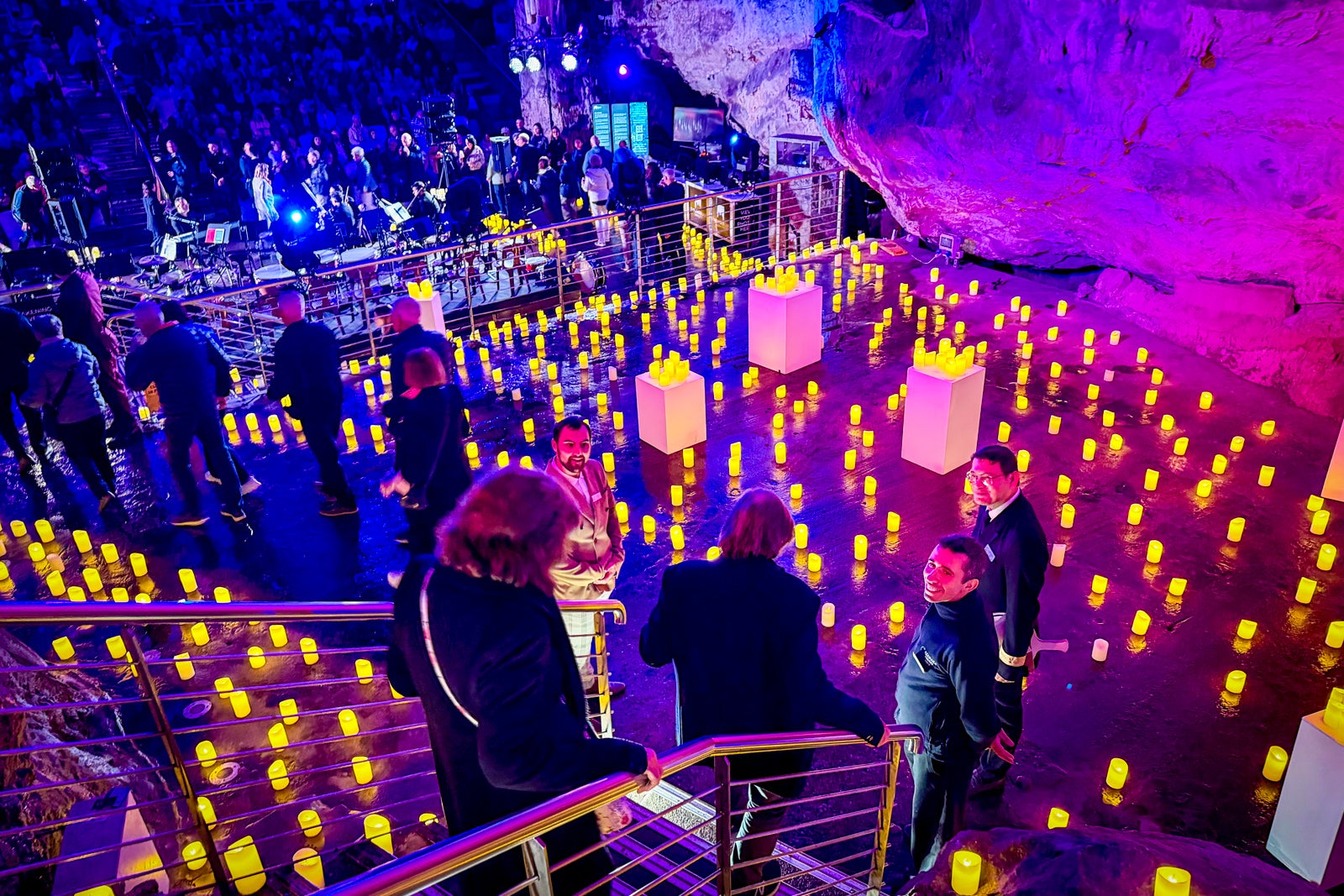
Or, as Azamara would call it, it was an "AzAmazing Evening" — the name the line has given to such destination-driven cultural experiences, one of which is scheduled for every cruise. It's another Azamara hallmark — an offering that sets the brand apart in its focus on destination immersion.
Like our extended touring in Seville, the evening event was only made possible by the ship's extraordinarily long stay at the port, a day visit that lasted 14 hours.
During the day, most passengers had headed off the ship to tour the miles of British-built military tunnels at The Rock, as the 1,398-foot-high limestone promontory at Gibraltar is known (the tunnels are so extensive that they could house 16,000 soldiers at a time). Others, like me, wandered into the town at the base of The Rock to see its fortified walls and other historic sites (I had toured the tunnels before on an earlier visit).

But whatever we did, our long stay in the port gave us time to get back to the ship, have dinner on board and ready ourselves for the big night out to St. Michael's Cave without feeling rushed.
A 'white night' in port
Another signature, included-in-the-fare experience during our sailing was the White Night party mentioned above, which is something not to miss. Held once a cruise while the ship is docked late in a port (in our case, while we were in Seville), Azamara's White Night parties are high-energy deck-top events that, as I saw, last late into the night.
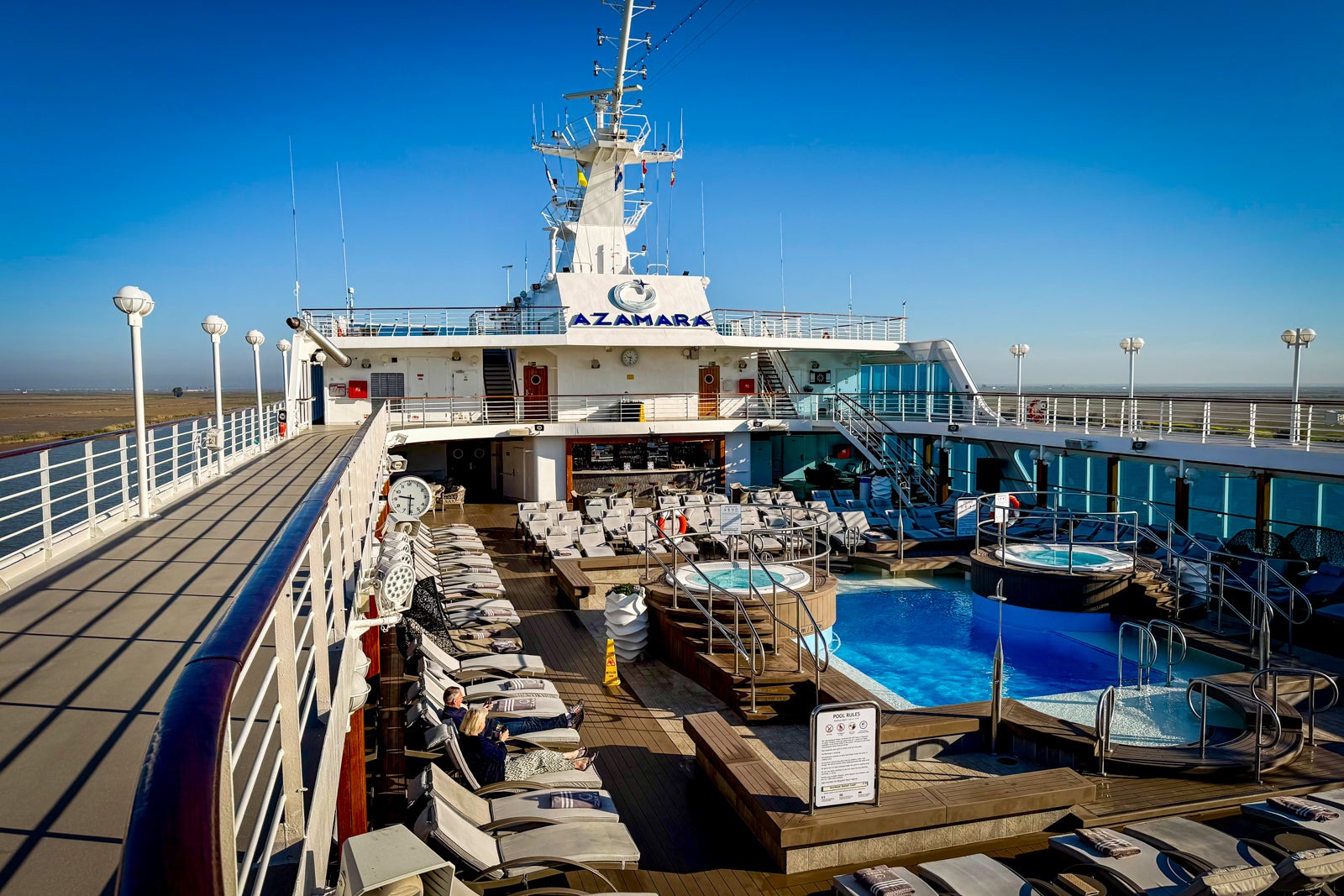
As part of the event on Azamara Journey, passengers arrived at the pool area on the top deck of the ship to find it transformed into a grand outdoor dining room with tables laid out all in white, and a massive buffet with an elaborate spread of dishes, plus a stage set up for live music and dancing. And, yes, everybody was wearing white, including the crew.
The party, with many of the passengers jumping up to dance under the stars, lasted for several hours, with an after party continuing late into the night in the ship's top-of-the-ship lounge.
A classy, small vessel
Unveiled in 2000, Azamara Journey is on the older side when it comes to upscale cruise vessels sailing the globe. And at just 175 square feet, its standard cabins are somewhat smaller than what you'll typically find on newer upscale vessels.
Still, refurbishments over the years have kept both cabins and public areas up to date and comfortable — and the vessel will soon undergo an even more significant makeover that'll bring enhancements to staterooms and suites and reimagined public spaces.
Dubbed Azamara Forward, the overhaul, which is happening to all the Azamara ships, will include the addition of a new Atlas Bar on the vessels with destination-inspired crafted cocktails, and new contemporary decor, lighting and furnishings in the ships' main Discoveries restaurant. There also will be a new dedicated Chef's Table on Deck 10.
Other upgrades will include a revamp of the Cabaret Lounge with new furniture and a redesigned dance floor, and redesigned treatment rooms in the Sanctum Spa.
Room updates will include updated finishes, improved lighting and design details that enhance comfort and functionality.
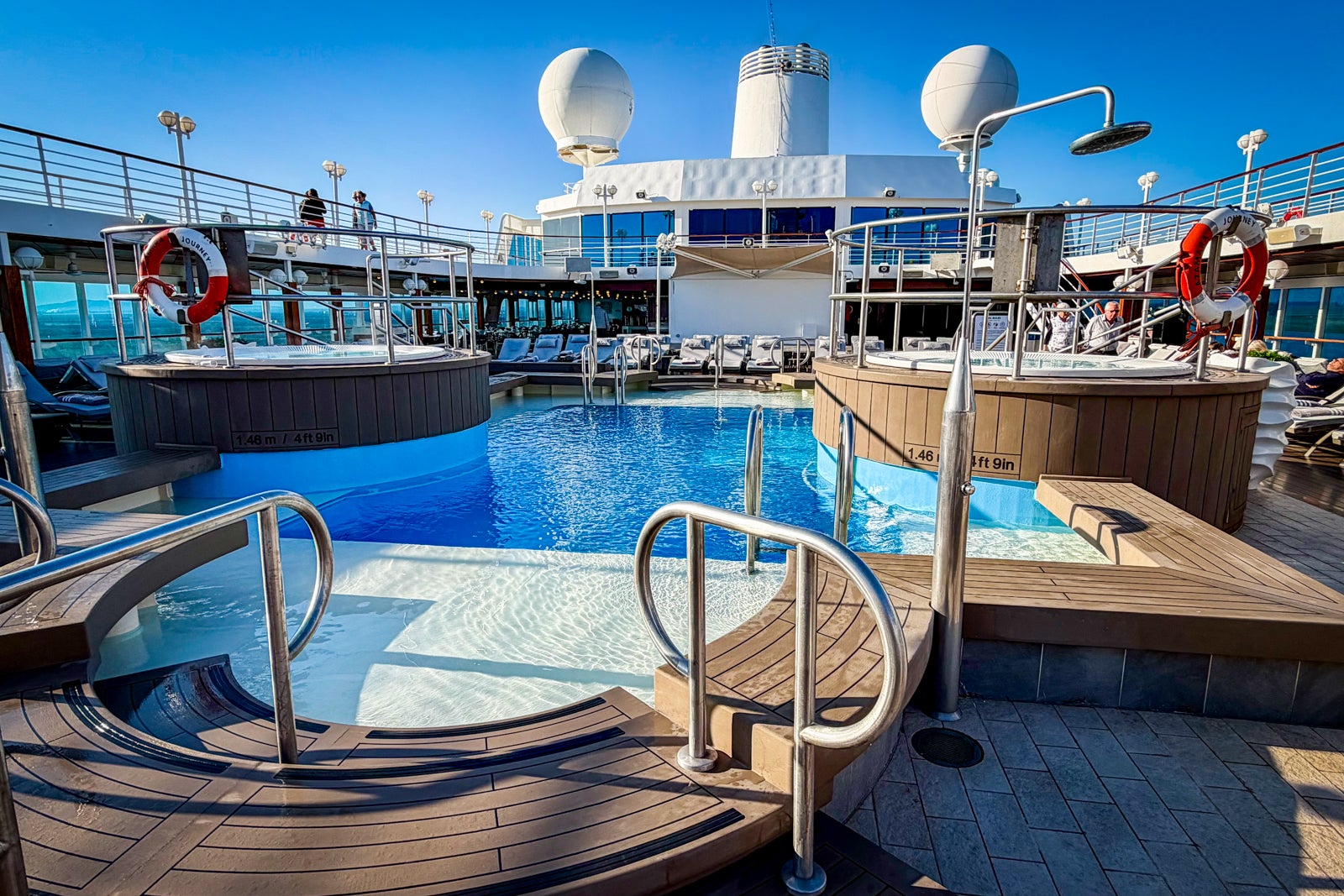
The refurbishment of Azamara Journey and its three sister ships will take place in the next few years starting with Azamara Quest in 2026 and Azamara Onward in 2027.
Even now, before the makeover, what Azamara Journey lacks in newness is more than made up for by the wonderful "they don't make them like this anymore" intimacy.
Designed to carry just 694 passengers, it offers a scale that is increasingly rare in cruising — especially when compared to ships that carry nearly 7,000 passengers.
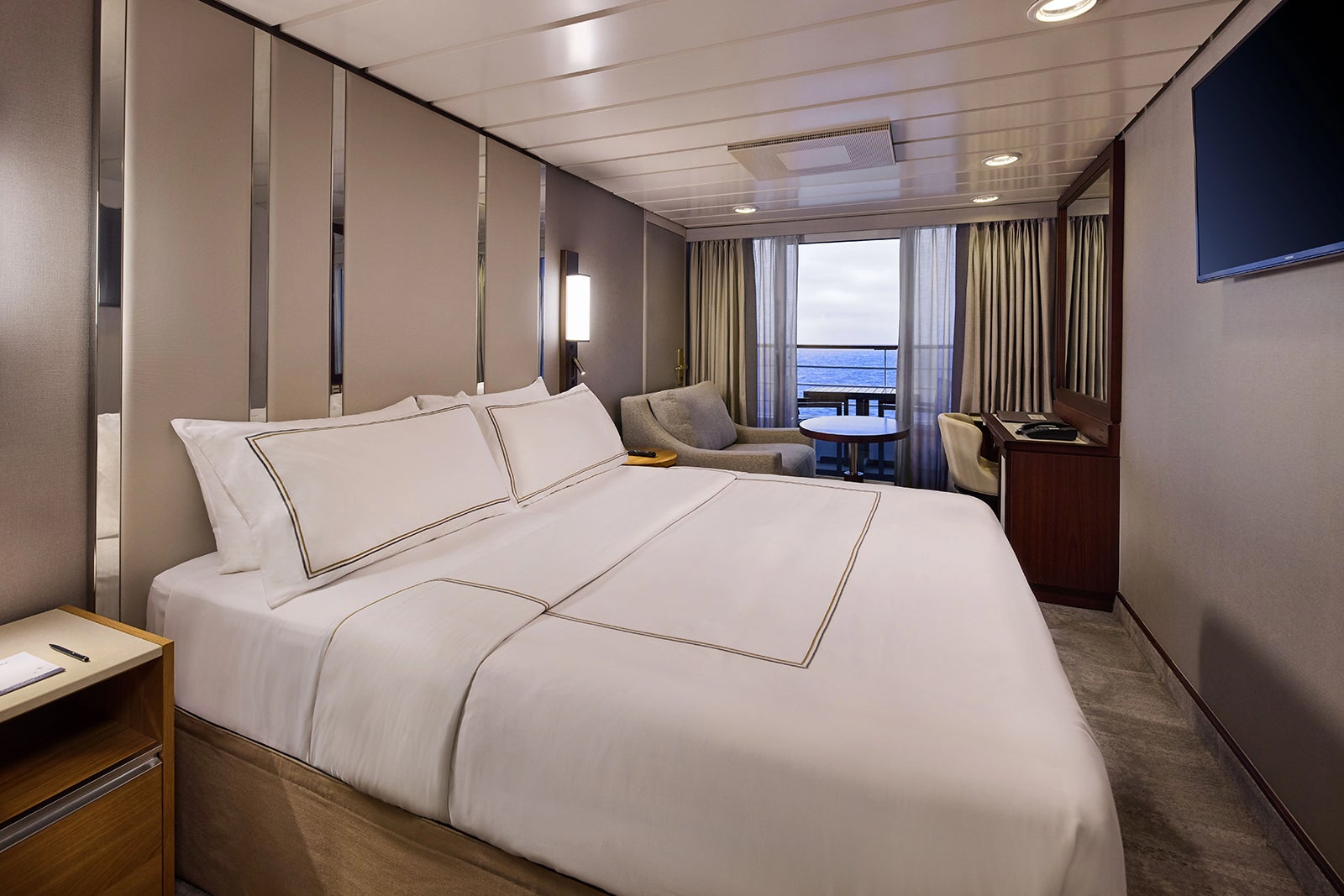
But it is the intimacy that comes from the friendly and polished crew — nearly 400 on board to serve not that many more passengers — that really makes the experience.
I loved the warm and intuitive service from the servers in the Living Room, the glass-walled lounge at the top of the ship overlooking the bow that offers live band music and dancing in the evenings.
One night, just when I was ready for another round of the drink that I had been slowly sipping for the past half hour and was about to look up for a server, one seemingly appeared out of nowhere, the drink that I was about to order already in hand. Somehow he just knew that I was ready for it.
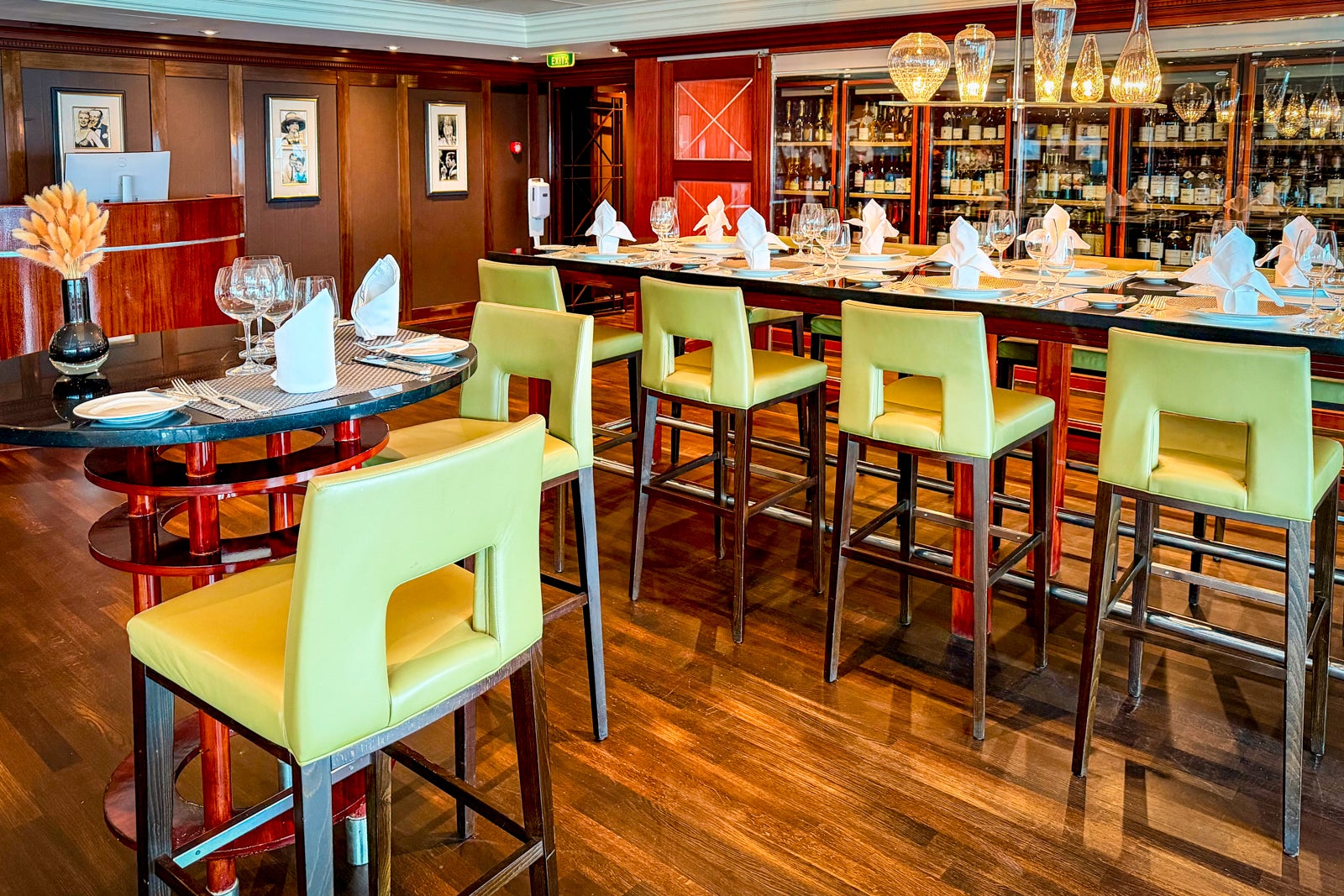
The staff was equally warm and attentive in The Den, the cozy lounge with a piano player in the middle of the ship, and the ship's eateries (which include a main restaurant, a steakhouse, an Italian eatery, a buffet and a poolside grill).
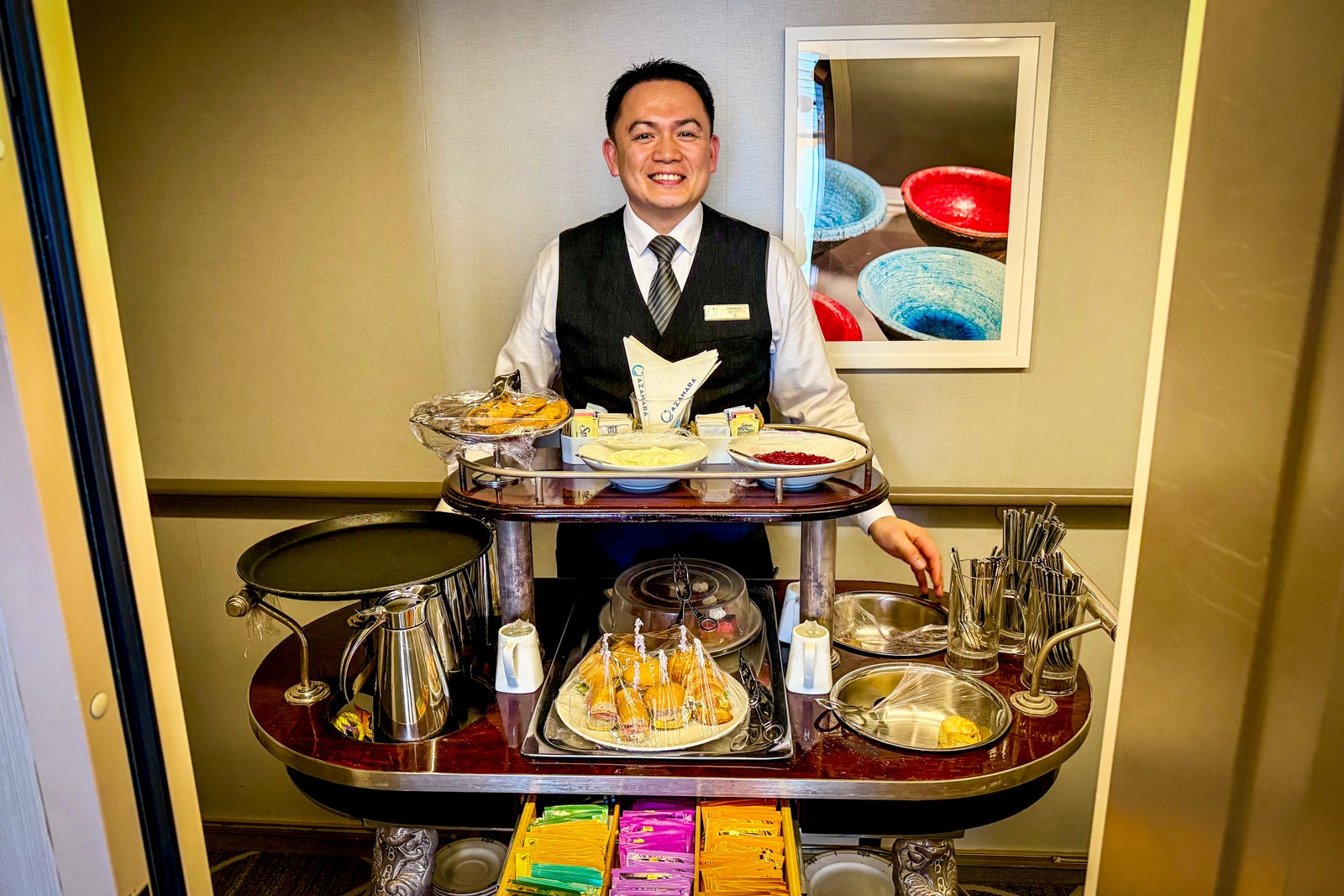
I also loved the services of my personal butler, Virglio — a perk that comes with staying in one of the ship's suites. He was seemingly always there to offer help, whether it be making a last-minute reservation in the ship's intimate steakhouse or surprising me with afternoon tea and scones served from a rolling cart.
The eateries, notably, often feature regionally inspired cuisine and wines, and as I saw on my sailing, the ship typically sails with an expert speaker who lectures on the destinations it visits (on my trip, that meant talks on Gibraltar, Seville and Lisbon, Portugal — the itinerary's end point). It's all part of a carefully curated onboard experience designed to infuse the destination into what you experience while sailing.
A solid value
When it comes to pricing, Azamara Journey, like all of the Azamara ships, is in what I consider the sweet spot among intimate, high-touch vessels that offer destination-focused itineraries.
The ship offers a lovely, upscale experience. But it won't break the bank like some high-end luxury ships playing in the same space that can cost $1,000 or more per night.
As of the publishing of this story, seven-night Greece and Italy sailings on Azamara Journey were starting at $1,539 per person, based on double occupancy — or about $220 per night.
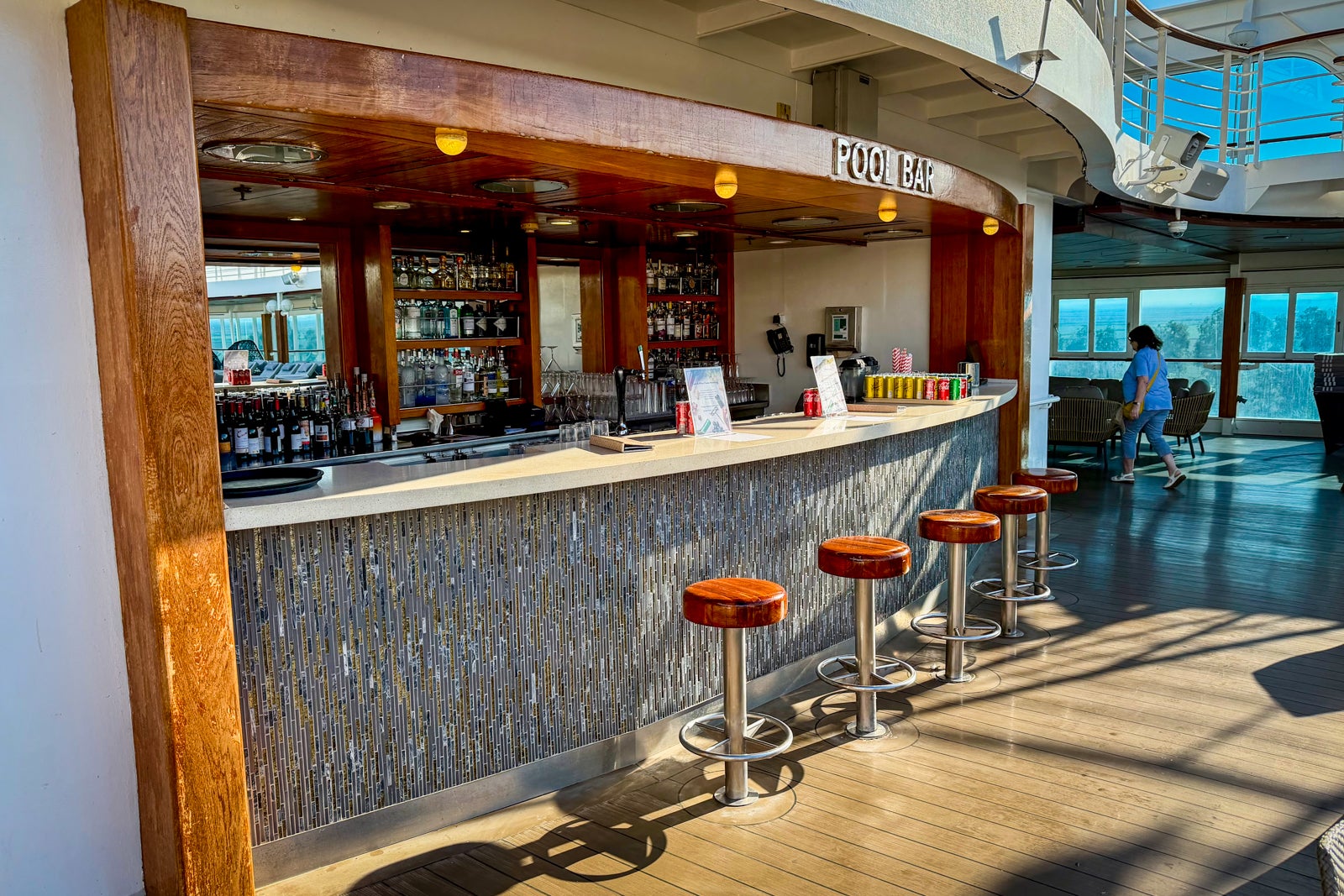
Such fares are an even better value than they might initially seem when you consider that Azamara includes several things in its fares that sometimes cost extra at other lines, such as gratuities for crew and drinks of all types. Select house spirits, beer, wine, bottled water, soft drinks, specialty coffees and teas are available around the clock on Azamara ships at no extra charge.
Bottom line
Azamara is a wonderful small-ship line offering intimate, upscale cruises that focus on deeper destination experiences.
At the heart of its brand promise is a focus on longer-than-typical port stays (including multiday stays) and curated cultural experiences that allow for a more meaningful experience in the places its ships visit — and, as I saw firsthand on a recent sailing, it delivers mightily on that promise.
Planning a cruise? Start with these stories:
- The 5 most desirable cabin locations on any cruise ship
- The 8 worst cabin locations on any cruise ship
- A quick guide to the most popular cruise lines
- 21 tips and tricks that will make your cruise go smoothly
- 15 ways cruisers waste money
- 17 best cruises for people who never want to grow up
- Cruise packing list: The ultimate guide to what to pack for a cruise